How can rural businesses improve their local SEO?
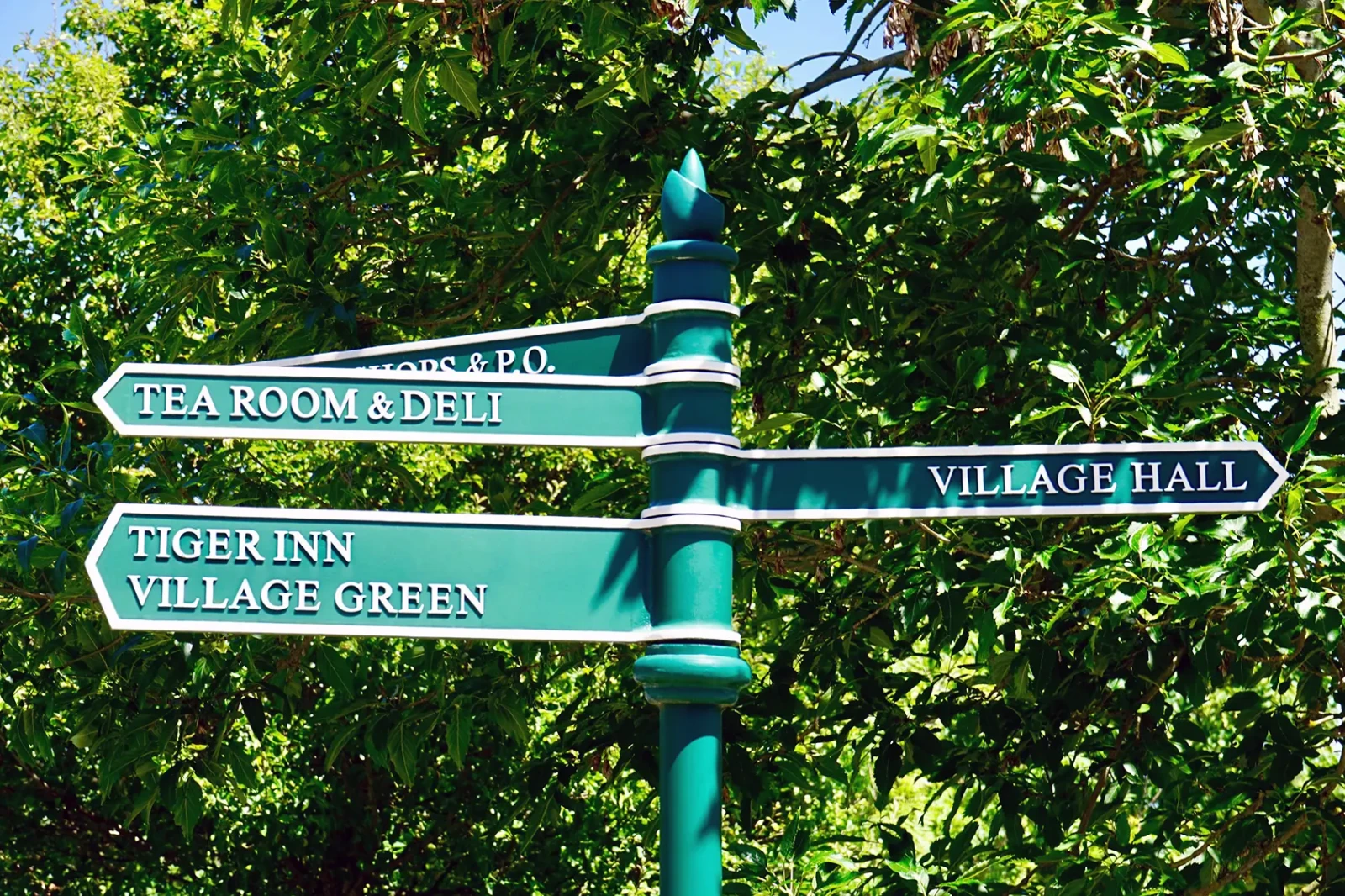
For rural diversification businesses, being visible online is becoming just as important as being known locally. Keeping your Google Business Profile accurate and up to date, mentioning nearby towns or counties on your website, and making sure the site works well on a mobile phone all help people find you when they search online. Positive reviews and occasional updates about what is happening on the farm or estate can also build trust with potential visitors. When these digital basics support traditional strengths such as word of mouth, local reputation and press coverage, they make it much easier for people from further afield to discover rural diversification projects and plan a visit.
Local SEO is an important part of successful farm diversification strategies, helping businesses such as farm shops, accommodation and venues become visible to visitors searching online and planning trips.
Rural Diversification Insights from Hague & Gray
27 April 2026
At Hague & Gray, we work with many businesses based in the countryside. Rural locations offer something special. Space, landscape and a sense of escape are often what attract visitors in the first place. But those same qualities can make it harder for businesses to be discovered online. Farm shops, glamping sites and wedding venues often welcome visitors from several towns or even different regions, so their digital presence needs to reach beyond the immediate village.
A good starting point is making sure your Google Business Profile is accurate and complete. This listing is often the first thing people see when they search for a local business. Clear contact details, the right business category, a short description of what you offer and a few good photographs all help search engines and potential visitors understand your business. Many rural businesses claim their listing but leave it only partially completed, which means they miss an easy opportunity to appear in local searches.
It also helps when your website clearly explains where you are. Rural businesses sometimes describe their services well but forget to reference nearby towns or counties. Someone searching for a farm shop near Wokingham or glamping in Worcestershire may never realise you are only a short drive away unless those places are mentioned on your site. Small changes to how locations are described can make a big difference to how search engines connect your business with the people looking for it.
Your website should also work well on a mobile phone. Many visitors search while they are travelling or planning a day out, so a site that loads quickly and is easy to navigate can make the difference between someone making an enquiry or moving on.
At the same time, search itself is beginning to change. Artificial intelligence is increasingly shaping how people find information online. Tools such as OpenAI and AI-powered search features are encouraging people to ask more natural questions rather than typing short keyword phrases. Someone might search for “places to stay near the Cotswolds with countryside views” or “farm shop near Reading worth visiting”. Search engines are now better at understanding these longer, more conversational queries.
This shift means that clear, helpful content is becoming more important. Websites that explain what they offer, where they are located and what visitors can expect are easier for AI systems and search engines to interpret. Rather than relying only on short keywords, businesses increasingly benefit from content that answers real questions people might ask.
Another trend is that search engines are beginning to summarise information directly in search results. Instead of showing only a list of links, AI may highlight a small number of relevant businesses based on the information it can clearly understand. For rural enterprises, this makes it even more important that their online presence accurately describes their location, services and experience.
Customer reviews and photography are also becoming more influential. When people are considering travelling some distance to visit a rural destination, they often rely on visual impressions and feedback from previous visitors. These signals help both search engines and potential guests judge whether a business is worth the journey.
Traditional marketing still plays an important role in the countryside. Word of mouth, local reputation and regional press coverage often create the first spark of interest. Today, though, people almost always follow that interest with an online search. When traditional marketing and digital visibility support each other, businesses are far easier to discover.
For most rural enterprises, the opportunity lies in making sure their digital presence clearly reflects the experience they offer. As AI search continues to evolve, businesses that communicate their location, story and offering clearly will be the ones most easily discovered.
Written by Adam Gray
Partner and Director, Hague & Gray
Discover more and get in touch with Hague & Gray
Could your expertise support landowners exploring rural diversification? Join the rural diversification supplier directory
Explore more insights from the Rural Diversification Collective

Nixon Heritage & Design
Can I convert a listed building for farm diversification?
Exdell Limited
How can I find out what my land could really be worth?
Jonny Bann Consultancy
How can I fill midweek gaps at my venue with corporate bookings?
Jonny Bann Consultancy
How can I make better use of my venue’s existing assets for the corporate market?
SPASE Architects & Surveyors
How energy retrofit can make a heritage building work as a rural business
Dudley Peverill Associates LLP