Farm diversification - Rural Diversification Collective

Farm diversification ideas: Which suits your farm?

Glamping, events, farm shops, renewable energy and more. Understand what each involves, who it suits, and find the specialists to help you move forward.

Why farm diversification matters in the UK

Farm incomes across the UK face unprecedented pressure. The phase-out of Basic Payment Scheme support, volatile commodity prices, rising input costs and unpredictable weather have made traditional farming income increasingly unreliable. For many farmers, maintaining the status quo is no longer viable. Diversification has shifted from being an optional strategy to a practical necessity for farm survival and long-term resilience.

The scale of adoption reflects this reality. Defra estimates that over 71% of farming businesses in England now have some form of diversified activity, up from 61% a decade ago. This isn’t speculation, it’s the majority of UK farms actively building alternative income streams. Recent research from the NFU Mutual shows that 17% of farmers are planning new diversification projects over the next five years, while 40% of those already diversified plan to expand further. The trend is clear and accelerating.

Diversification works because it spreads risk. A farm relying solely on commodity production is vulnerable to a single bad harvest, market collapse or input price spike. Multiple income streams—whether from glamping, events, renewable energy or a farm shop—mean a poor season in one area can be offset by strength elsewhere. This resilience is increasingly vital as farming faces structural change.

Beyond financial survival, diversification can unlock significant income. Farm diversification income now accounts for an estimated average of 13% of total farm business income nationally, but many successful diversifiers generate far more. Some farms have built diversified enterprises that contribute 40-60% of their total business income, fundamentally transforming their financial position and long-term viability.

The opportunities are substantial. With 62% of farms in England now diversified, proven models exist across glamping, events, holiday lets, farm shops, renewable energy and leisure activities. What works in one region has been tested and refined by dozens of other farms facing similar constraints. Learning from real projects across the UK, understanding what worked, what didn’t and why, removes much of the guesswork from planning your own venture.

Support is available too. Government grants through schemes like the Rural England Prosperity Fund, Farming Equipment and Technology Fund and Capital Grants are specifically designed to help farmers invest in diversification. Professional advisers across planning, finance, design and rural operations can guide you through the process. The infrastructure to support diversification has never been stronger.

For most UK farms today, the question is not whether to diversify, but how, when and which route suits your specific situation, assets and market. This guide explores the most viable options and connects you with the specialists and real-world examples you need to move forward.

Finding the right farm diversification idea

Most farms already have what they need to diversify: land, buildings, location and character. The challenge is identifying which idea suits your specific situation and understanding what’s involved before you commit.

This page covers six popular farm diversification routes. Each one suits different farm types, locations and budgets. Many successful farms combine two or three income streams rather than starting with a single venture.

Start by thinking about what you already have. Do you have attractive land for glamping? Buildings suitable for events or commercial use? A location with good footfall for a farm shop? Underutilised land for renewable energy? Your best diversification idea will build on existing assets rather than require you to start from scratch.

Once you’ve identified which ideas might work for your farm, explore specialist insights, search the directory for advisors in your area, and attend an event to meet other farmers pursuing similar projects.

Not running a working farm? Our guide to rural diversification covers the broader picture for estates, landed properties and rural businesses.

Popular farm diversification ideas

Many farms already have what they need to diversify — underused buildings, land with the right setting, or a location that suits visitor-facing businesses. The most successful projects build on what is already there rather than starting from scratch. Popular routes include glamping and holiday accommodation, farm shops and direct food sales, wedding and events venues, commercial storage and renewable energy. The right choice depends on your planning constraints, local demand and how diversification fits around the farm’s day-to-day operation.
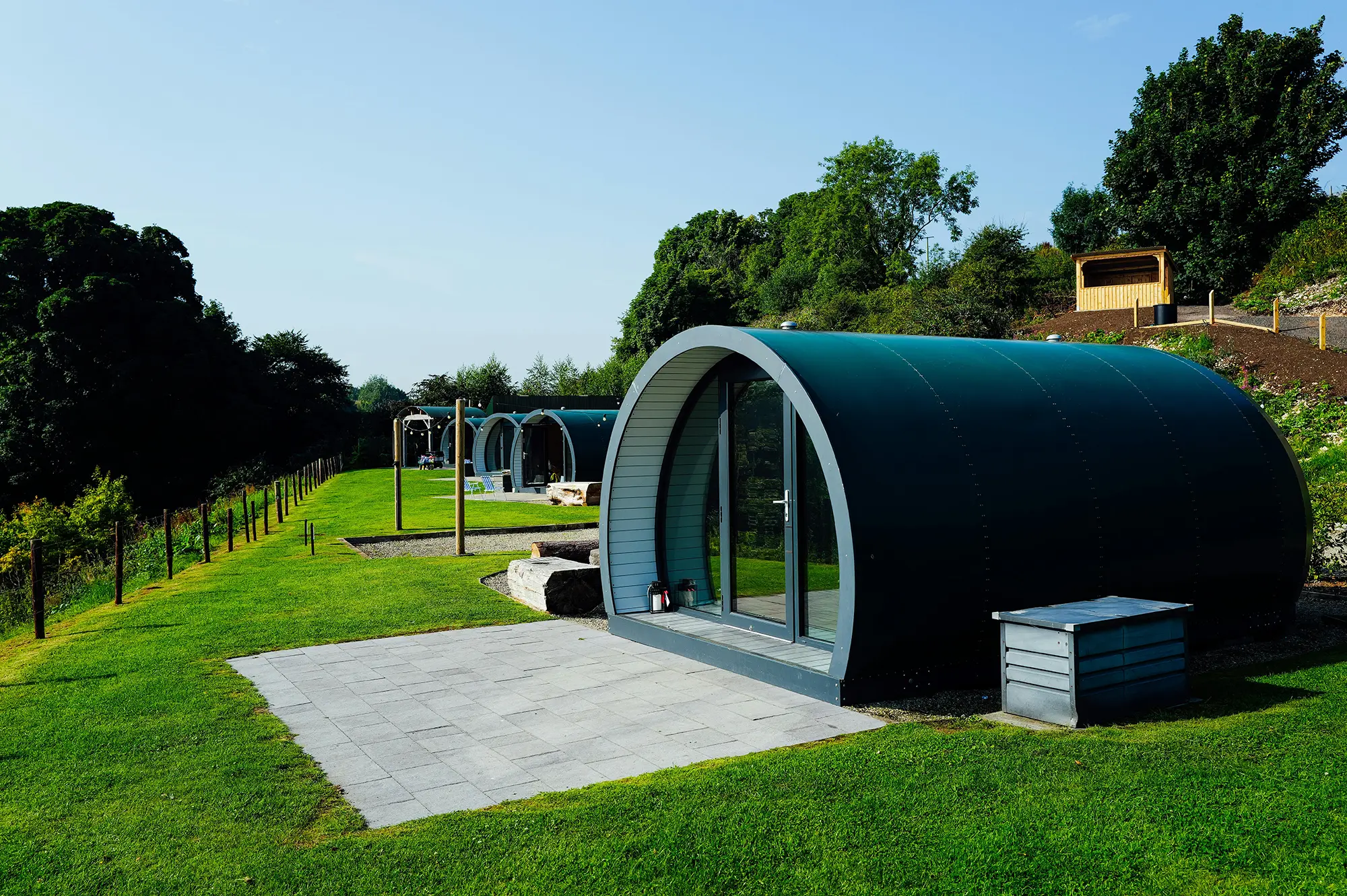
Glamping pods and holiday accommodation farm diversification

Glamping & accommodation

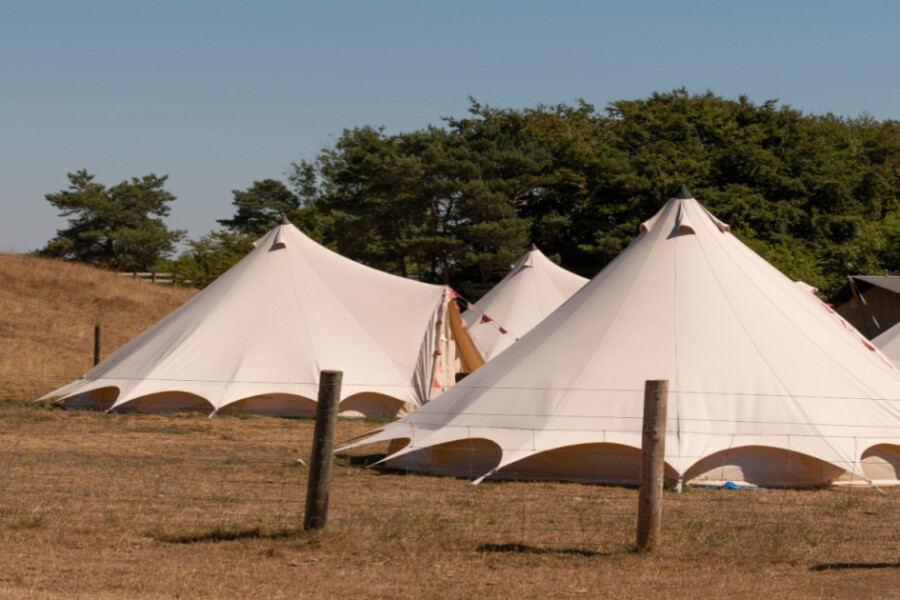
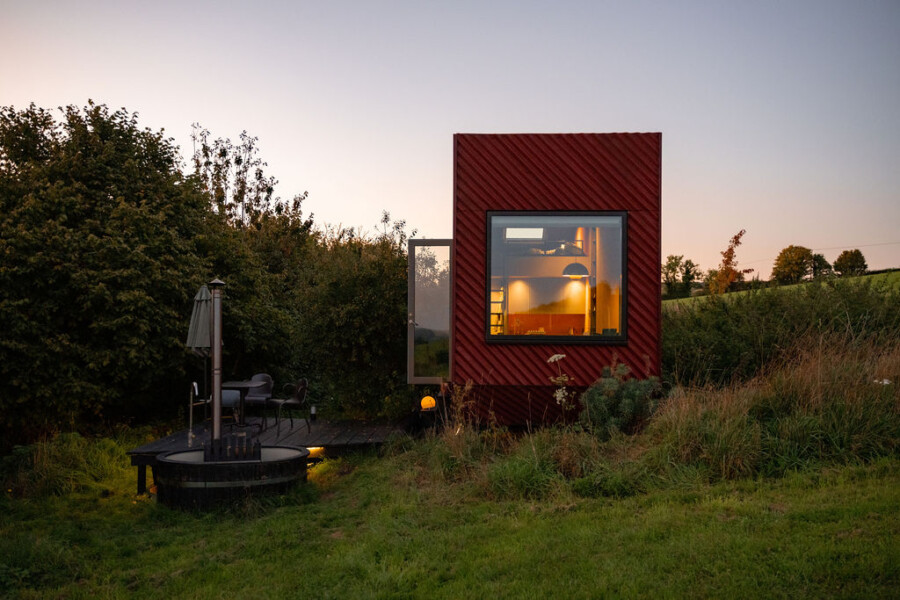
Glamping pods, shepherd huts, cabins and holiday lets are among the most popular farm diversification ideas in the UK. Farms with attractive land, good access and a peaceful setting are well placed to develop accommodation that generates consistent income throughout the season. Projects can start small with a single unit and expand based on demand and planning consent.

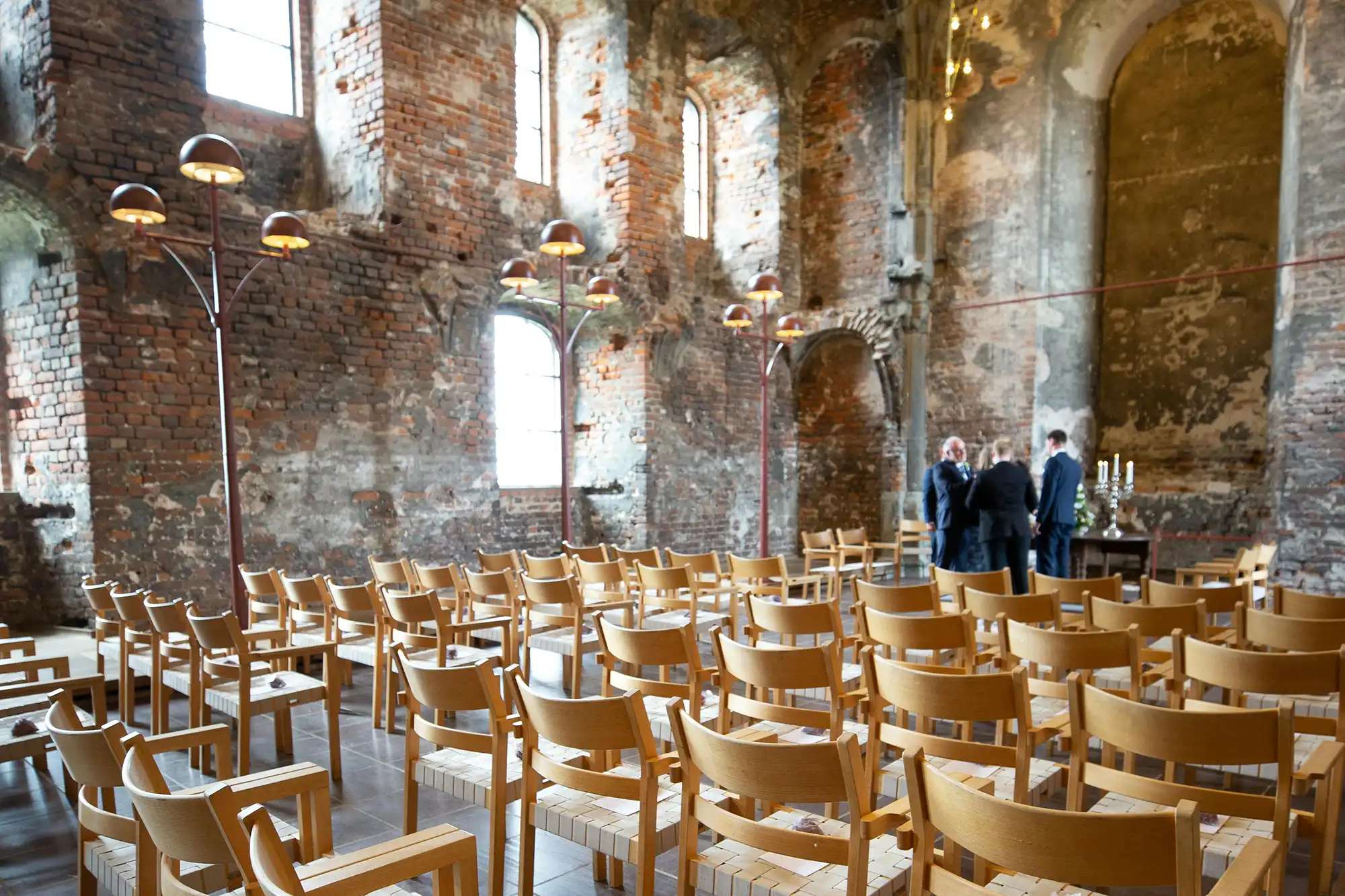
Farm wedding venue and events diversification

Events & wedding venues

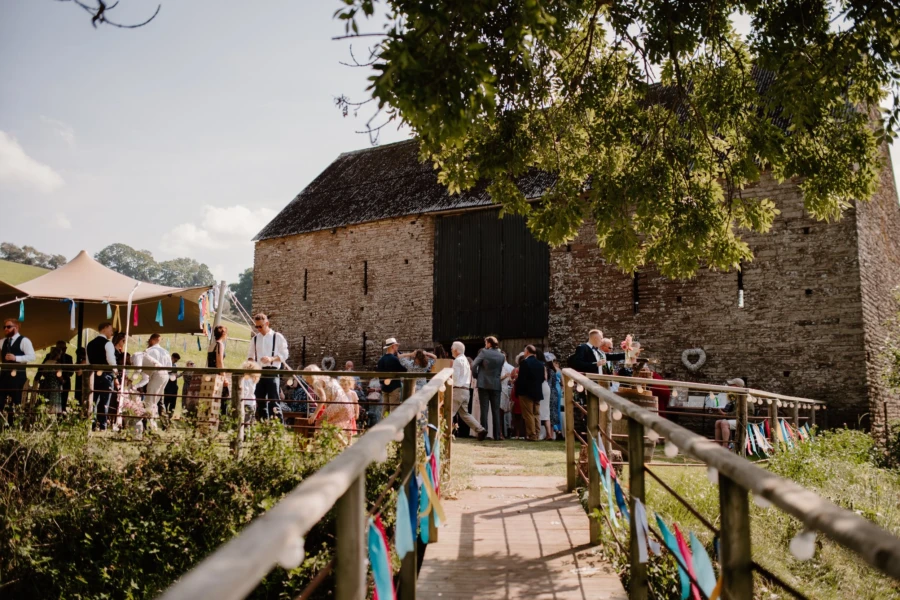
Farm buildings, yards and outdoor spaces can make distinctive and sought-after event venues. Weddings, corporate events and private hire are all viable income streams for farms with the right infrastructure and setting. Planning consent, licensing and investment in facilities are important early considerations for any events-led project.

Farm shop and direct food sales diversification

Farm shops & food

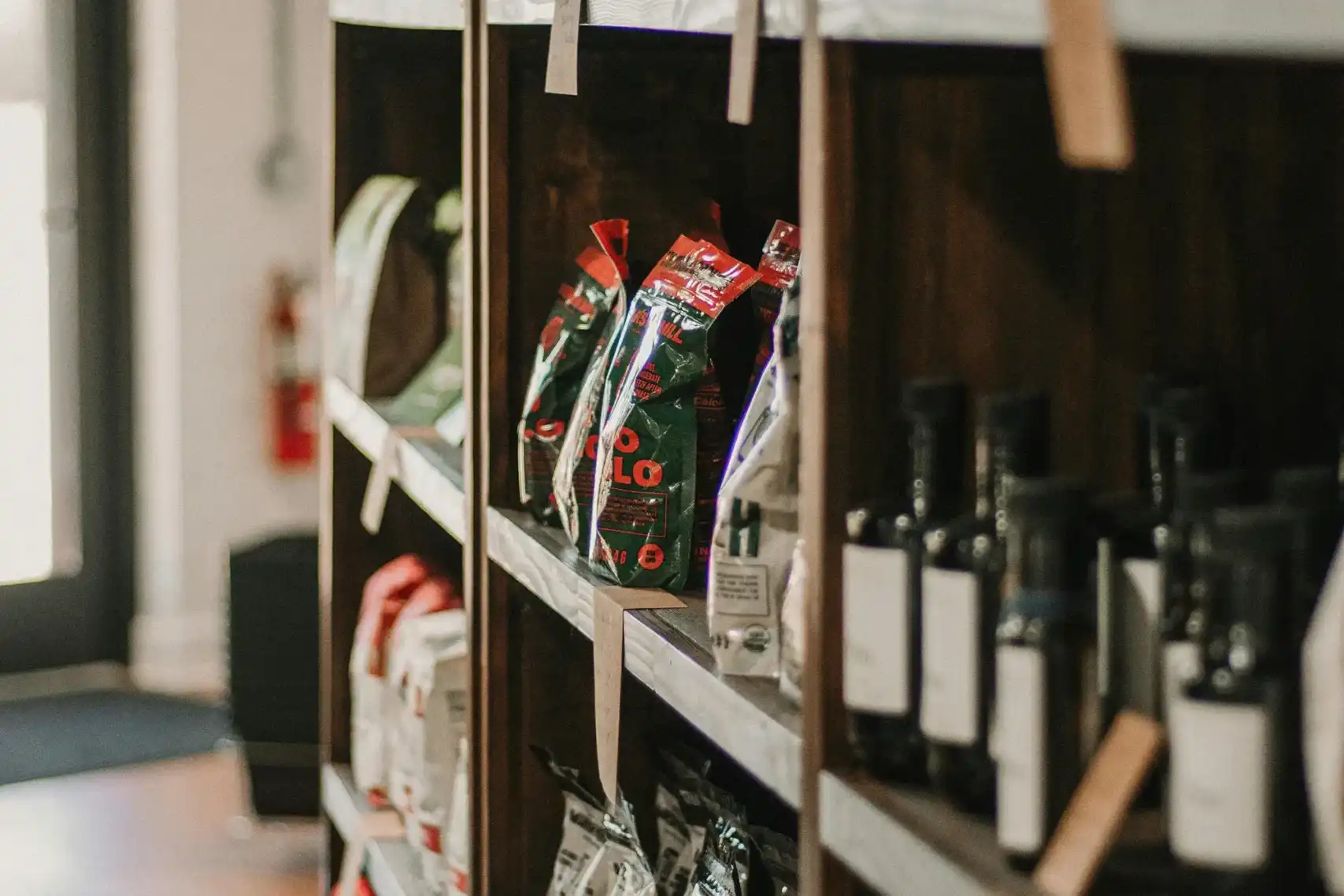
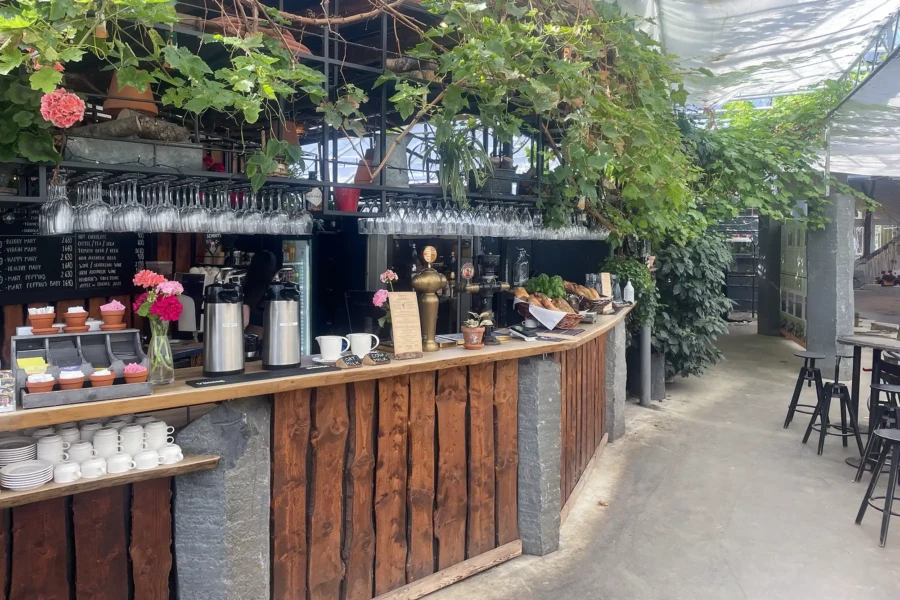
Farm shops, cafés and direct produce sales allow farms to capture more value from what they already grow or rear. Direct-to-consumer food businesses build strong local customer bases and can develop into significant year-round enterprises. Footfall, road access and food hygiene regulations are key factors to consider from the outset.

Commercial property and storage farm diversification

Commercial property

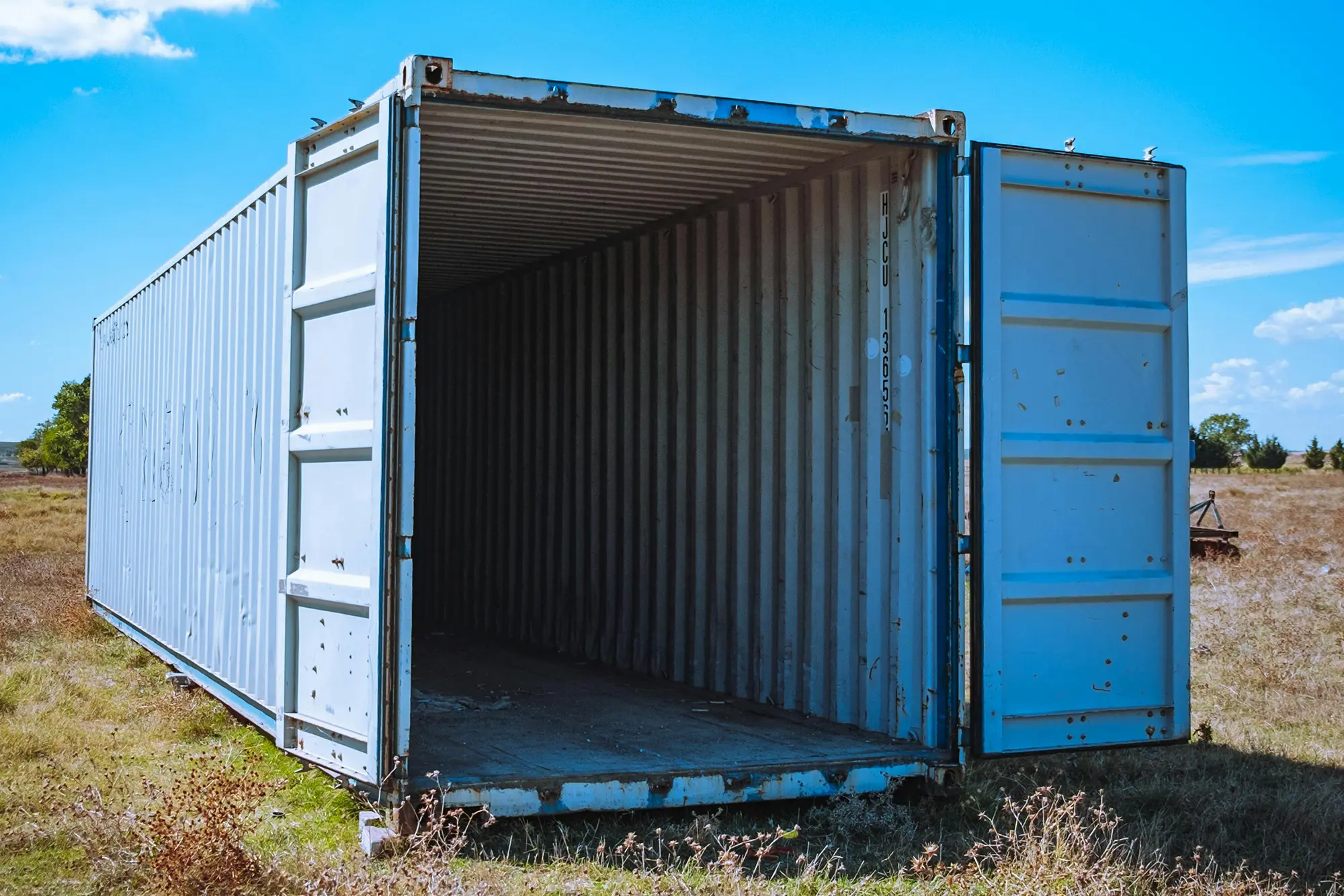
Redundant farm buildings converted into storage units, workshops, offices or rural workspace can generate reliable long-term rental income with relatively low ongoing management. Commercial property conversion is often one of the more straightforward diversification routes depending on existing structures. Permitted development rights may simplify the planning process for some conversions.

Solar and renewable energy farm diversification

Renewable energy

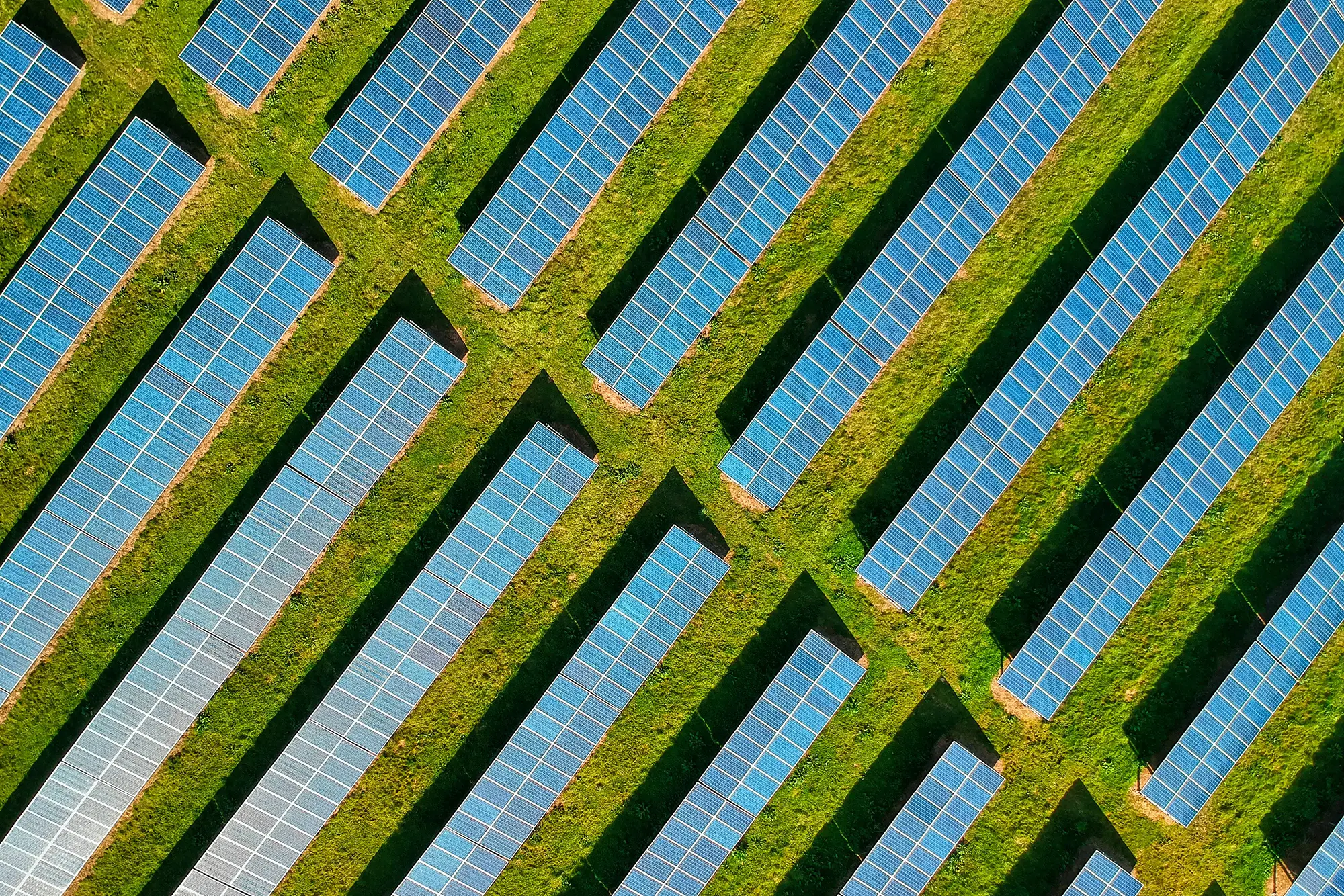
Ground-mounted solar, wind turbines and biomass projects allow farms to generate income from land that may otherwise be underutilised. Solar in particular has seen strong growth across UK farms in recent years. Projects vary considerably in scale and investment, and specialist advice is essential to understand grid connection, planning requirements and likely returns.

Leisure and recreation farm diversification

Leisure & recreation

Campsites, fishing lakes, nature trails and outdoor activity businesses attract local visitors and generate income from rural land in a low-impact way. Leisure diversification works well alongside other income streams and can often be developed incrementally with lower upfront investment than built developments. Understanding your local catchment and target audience is an important first step.

Farm diversification questions and answers

The right idea depends on what your farm already has — the character of your land and buildings, your location relative to local markets, your planning context and how a new venture would fit around existing farm operations. There is no single answer that works for every farm. Browsing real life examples from working farms across the UK is one of the most practical ways to identify ideas that suit your situation and understand how other farmers have approached similar decisions. You can explore farm diversification examples on the Rural Diversification Collective.

Costs vary enormously depending on the type of project. A single glamping pod or small commercial storage conversion can be delivered for tens of thousands of pounds, while a full wedding venue or large-scale solar installation involves significantly higher investment. Many farms start with lower-capital ideas and reinvest returns into further development over time. Reading expert insights from finance specialists on the Rural Diversification Collective can help you understand realistic cost ranges and funding options before committing to a project.

Timelines depend heavily on the complexity of the project and the planning process involved. Simpler projects with permitted development rights can move relatively quickly, while projects requiring full planning consent, structural work or significant infrastructure can take two to three years from initial idea to opening. Building in realistic time for planning, design, procurement and construction is essential. Real life examples on the Rural Diversification Collective often include honest accounts of how long projects actually took and the reasons for delays along the way.

Yes — and many of the most resilient farm businesses do exactly that. Combining complementary income streams, such as accommodation alongside events or a farm shop alongside agritourism experiences, can make a farm less dependent on any single venture and more financially stable year-round. The key is phasing development carefully so new ventures don’t overstretch the farm’s management capacity or finances. Browsing real life examples from farms running multiple income streams on the Rural Diversification Collective can help you understand how others have approached this.

It depends on the project. Some farm diversification activities fall within permitted development rights and do not require a formal planning application. Others — particularly new structures, change of use, or visitor-facing businesses — will require full planning consent. Getting early advice from a rural planning specialist is strongly recommended before committing time or money to a project. You can find experienced rural planning consultants in the Rural Diversification Collective directory.

Financing options include rural development grants such as the Farming Investment Fund, commercial lending, asset finance and private investment. Some projects can be self-funded through phased development, starting small and reinvesting returns. The right approach depends on the scale of the project, your existing financial position and the expected timeline to return. The Rural Diversification Collective includes expert insights from rural finance specialists to help you understand your options before approaching lenders or grant bodies.

The Rural Diversification Collective directory lists trusted consultants, advisers and specialists working with farms and rural businesses across the UK. You can search by discipline — including planning, finance, design, tourism, hospitality and more — and by postcode to find specialists with experience in your area. Every listing is focused on rural diversification and rural enterprise, so you can be confident the people you find understand the specific realities of working on farm projects.

The Rural Diversification Collective features real life examples from working farms, estates and rural businesses across the UK. Each one explores the story behind a project — the decisions made, challenges faced and approaches taken — giving you a practical and honest picture of what farm diversification looks like in practice. Browse farm diversification examples on the Rural Diversification Collective.

About the Rural Diversification Collective

The Rural Diversification Collective is a free platform for farmers, landowners, estate managers and rural businesses across the UK. It brings together real life examples of diversification projects, expert insights, upcoming events and a trusted supplier directory — everything needed to explore ideas, learn from real projects and find the right specialists when the time is right.

Join the Rural Diversification Collective