How can seasonal events be commercially profitable for farms?
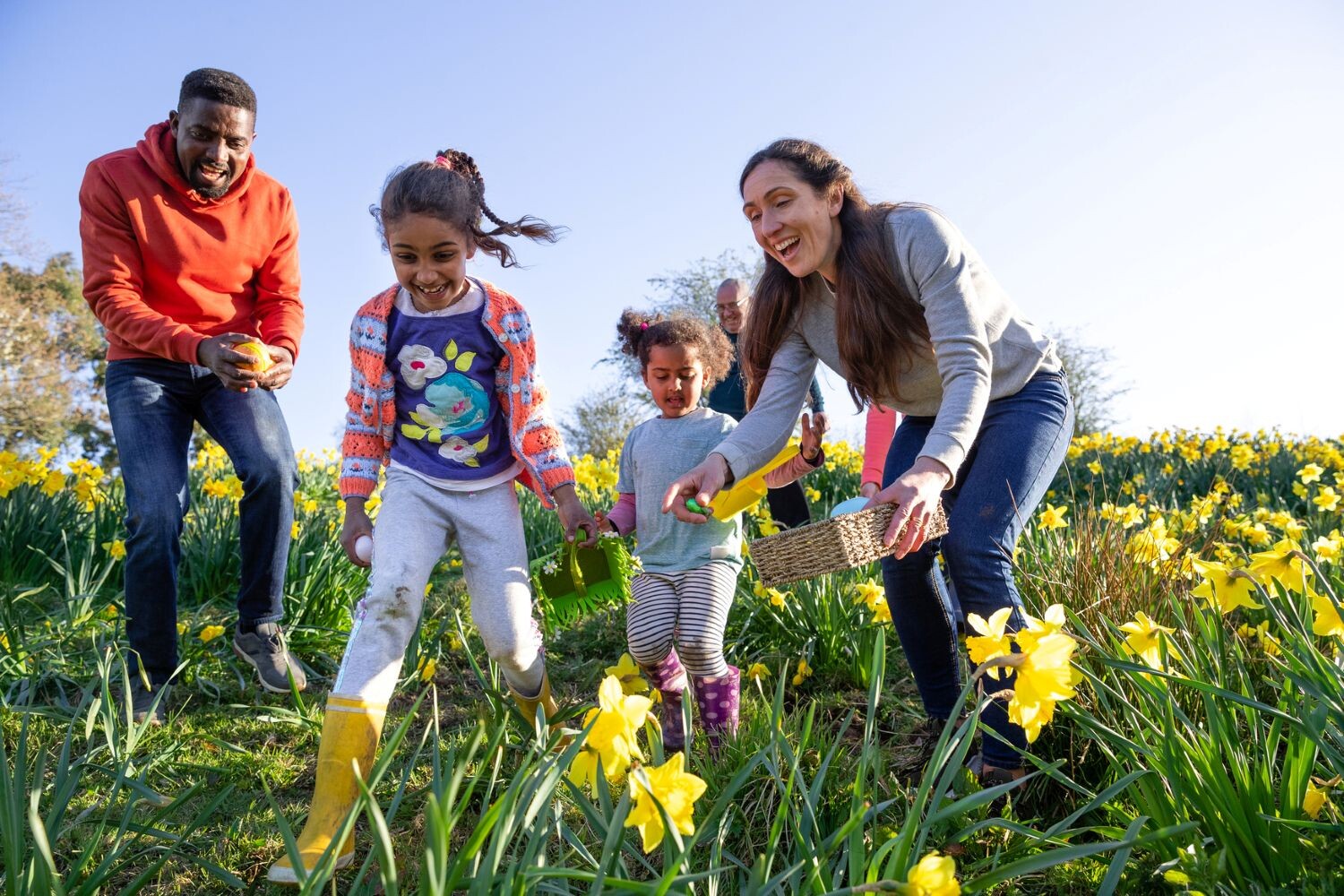
Seasonal events can be commercially profitable for farms when they are approached with clear intent, robust planning and a realistic understanding of both opportunity and risk. The most successful events are designed around the assets of the farm, with income generated not only from ticket sales but from food, retail, accommodation and additional experiences. Managing capacity, delivering a high-quality visitor experience and planning for operational demands are all essential. When treated as a structured part of the business, seasonal events can provide reliable income and support wider diversification.
Seasonal events are a proven form of farm diversification, helping farms generate income through ticketing, food, retail and visitor experiences during peak periods.

Rural Diversification Insights from Dudley Peverill Associates LLP
15 April 2026
At Dudley Peverill Associates, we support farms and estates across the UK and are increasingly seeing seasonal events established as a core component of a diversified rural business model. Easter, summer holidays, Halloween and Christmas all present concentrated periods of demand, when families are actively seeking experiences. That demand creates a genuine commercial opportunity, but it also brings higher expectations and a greater need for careful delivery.
A profitable seasonal event begins with clarity. It is important to understand what you want the event to achieve within the wider business. For some clients, the focus is on generating income over a defined period. For others, it is about increasing visibility, attracting new audiences or supporting existing enterprises such as retail, accommodation or weddings. Being clear on this at the outset helps shape the scale, investment and overall approach.
The starting point should always be the assets available. Farms and estates are well placed to offer experiences that are difficult to replicate elsewhere, whether through landscape, livestock, heritage or a sense of place. However, these assets need to be translated into a structured visitor experience. Expectations have moved on considerably, and visitors will assess the day as a whole rather than a single activity. Arrival, parking, signage, facilities and the overall flow all contribute to perceived value.
From a commercial perspective, it is important to look beyond ticket income. In many cases, the strongest margins come from secondary spend. Food and drink should be considered an integral part of the offer, with sufficient quality and capacity to meet demand. Retail can perform strongly, particularly where it reflects the identity of the farm or estate and aligns with seasonal purchasing behaviour. Paid activities and experiences can increase revenue per visitor, provided they are well designed and clearly communicated. Where accommodation is available, combining events with overnight stays can significantly strengthen overall performance.
Encouraging visitors to remain on site for longer is a key driver of profitability. A well-considered event offers more than a single point of interest, creating a balanced programme that allows visitors to move between activities and spend time across the site. This approach not only increases spend but also improves satisfaction and the likelihood of return visits.
Risk and delivery are areas that require equal attention. Seasonal events are inherently exposed to factors such as weather, which can influence both attendance and experience. Preparing for this through covered areas, suitable ground conditions and clear communication is essential. Operational demands should not be underestimated. Staffing, coordination, health and safety and day-to-day management all require careful planning, particularly where events are delivered at scale.
Capacity is often where we see the greatest challenges. There can be a natural inclination to maximise ticket sales, particularly where demand is strong. In practice, this can place pressure on infrastructure and reduce the quality of the experience. A more measured approach, with defined capacity and managed entry, tends to deliver better long-term results. Protecting the visitor experience is critical, as this underpins reputation, reviews and repeat business.
Pricing should reflect both the offer and the intended market position. A higher-volume model may rely on accessible pricing supported by strong secondary spend, while a more premium approach will focus on controlled numbers and a higher-quality experience. Both approaches can be effective, but consistency is important. Visitors need to understand what they are paying for and feel that it represents value.
Marketing remains an important consideration, but it should sit on top of a well-planned operation. Visibility within your local catchment is essential, supported by clear messaging and strong visual content. Seasonal events provide a natural opportunity for storytelling, particularly when they reflect the changing nature of the farm throughout the year. Capturing visitor data as part of the booking process allows you to build a database, supporting repeat attendance and more consistent performance over time.
Seasonal events can become a reliable and commercially robust part of a farm business when approached with structure and discipline. Early planning, realistic financial appraisal and a clear understanding of operational requirements are central to success. Those who treat events as an ongoing business activity, rather than a one-off initiative, tend to achieve more consistent and sustainable outcomes.
If you are considering seasonal events, taking a structured approach to feasibility and delivery will provide the clarity needed to move forward with confidence.

Written by Dawn Woollam
Senior Consultant, Dudley Peverill Associates LLP
Discover more and get in touch with Dudley Peverill Associates LLP
Could your expertise support landowners exploring rural diversification? Join the rural diversification supplier directory
Explore more insights from the Rural Diversification Collective
Nixon Heritage & Design
Can I convert a listed building for farm diversification?
Exdell Limited
How can I find out what my land could really be worth?
Jonny Bann Consultancy
How can I fill midweek gaps at my venue with corporate bookings?
Jonny Bann Consultancy
How can I make better use of my venue’s existing assets for the corporate market?
SPASE Architects & Surveyors
How energy retrofit can make a heritage building work as a rural business
Dudley Peverill Associates LLP