What is Rural Diversification? | Rural Diversification Collective

What is rural diversification?

Rural diversification is the process of developing new income streams from land, property or rural assets alongside or beyond traditional farming.

Understanding rural diversification

For farmers and landowners across the UK, diversification has become an increasingly important response to changing agricultural economics, reduced subsidy income and the rising costs of farming. Rather than relying on a single source of income, diversification allows rural businesses to spread risk, make better use of underutilised assets and build more sustainable enterprises for the future.

Rural diversification can take many forms. Tourism, glamping and holiday accommodation are among the most common starting points, but successful projects span events venues, farm shops, renewable energy, commercial property, equestrian facilities, wellness retreats and more. The right approach depends on the specific assets, location, planning context and ambitions of each individual farm or estate.

In the UK, rural diversification is supported by planning policy, grant funding and a growing network of specialist advisers with experience across every discipline involved in taking a project from idea to delivery.

Types of rural diversification

Rural diversification projects range from tourism and hospitality to renewable energy, commercial property and alternative land use. The right option depends on your existing assets, location and planning context. Successful projects usually combine a clear vision with realistic objectives and access to specialist advice from professionals with genuine rural experience.
Tourism and visitor attractions on a UK farm or estate

Tourism & visitor attractions

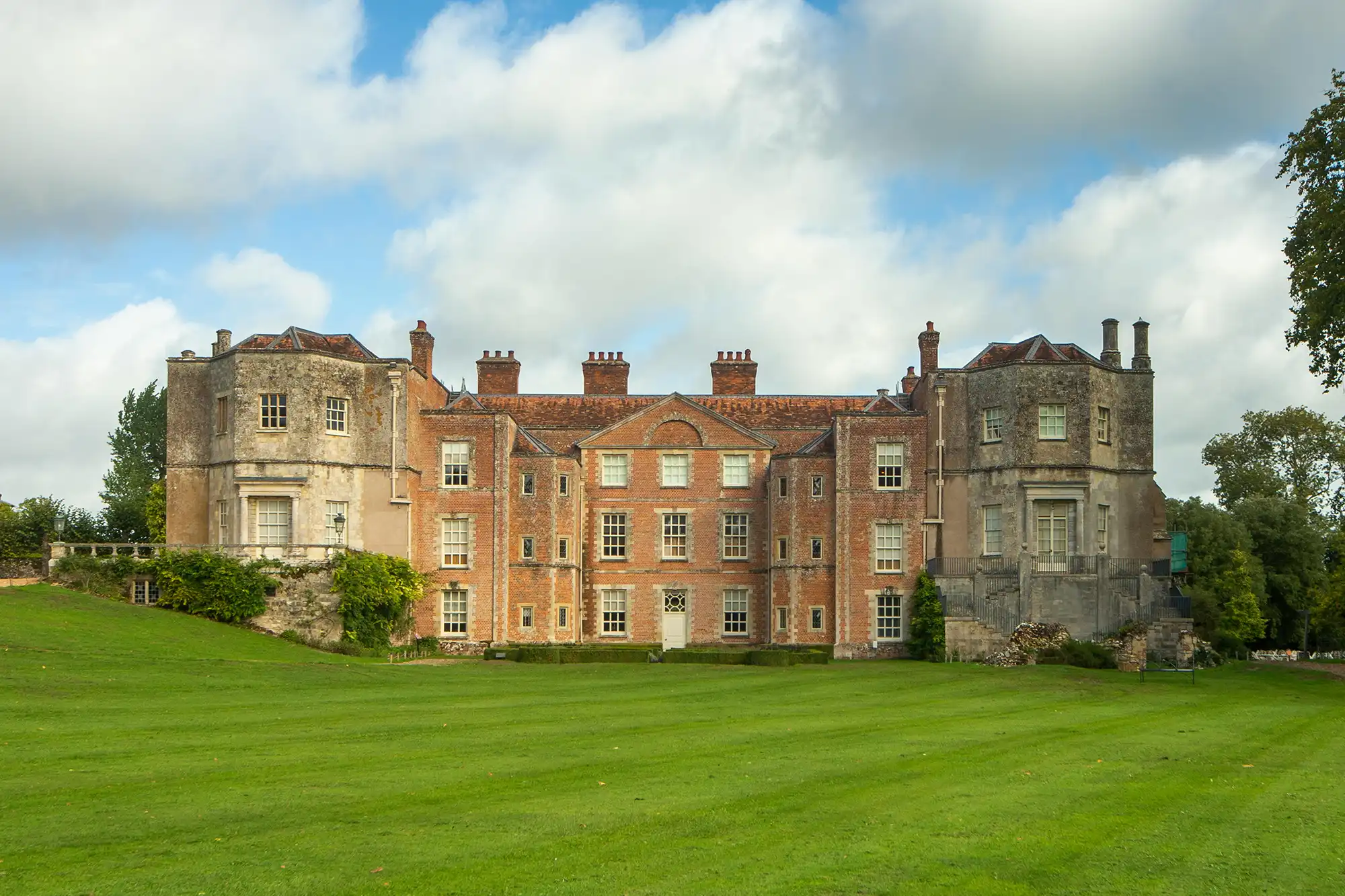
Farm parks, visitor centres, nature trails and rural tourism experiences are among the most established forms of farm diversification in the UK. Agritourism projects can generate significant year-round income while making use of existing land and character. Location, accessibility and planning consent are key considerations for any visitor-facing project.

Glamping pods and rural accommodation diversification

Glamping & accommodation

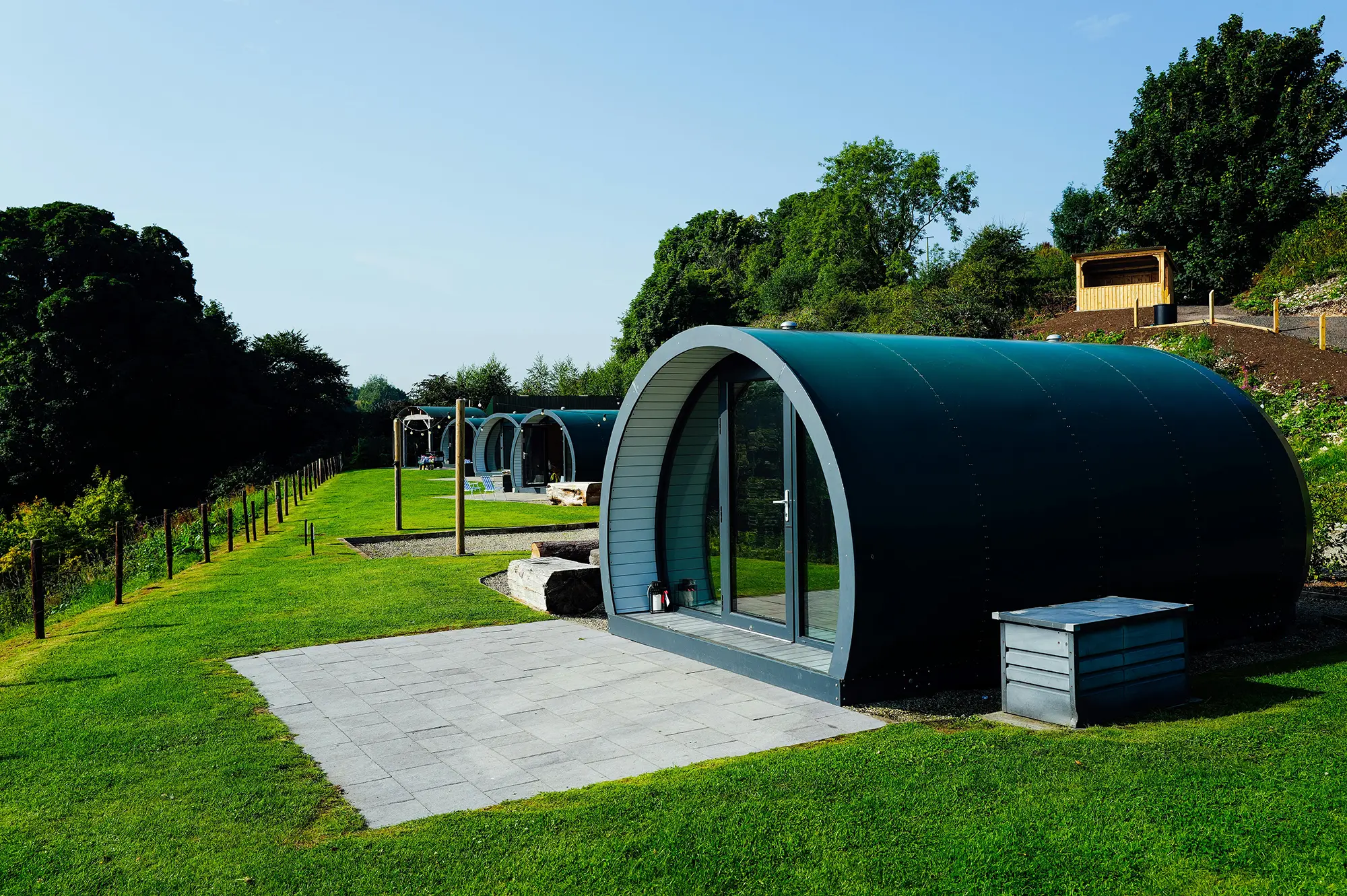
Glamping, holiday lets, shepherd huts and rural cabins have become one of the most popular farm diversification options across the UK. Demand for unique rural escapes continues to grow, making quality accommodation a strong income opportunity for farms and estates with the right setting. Projects range from a single pod to larger multi-unit sites.

Farm shop and food diversification on a rural estate

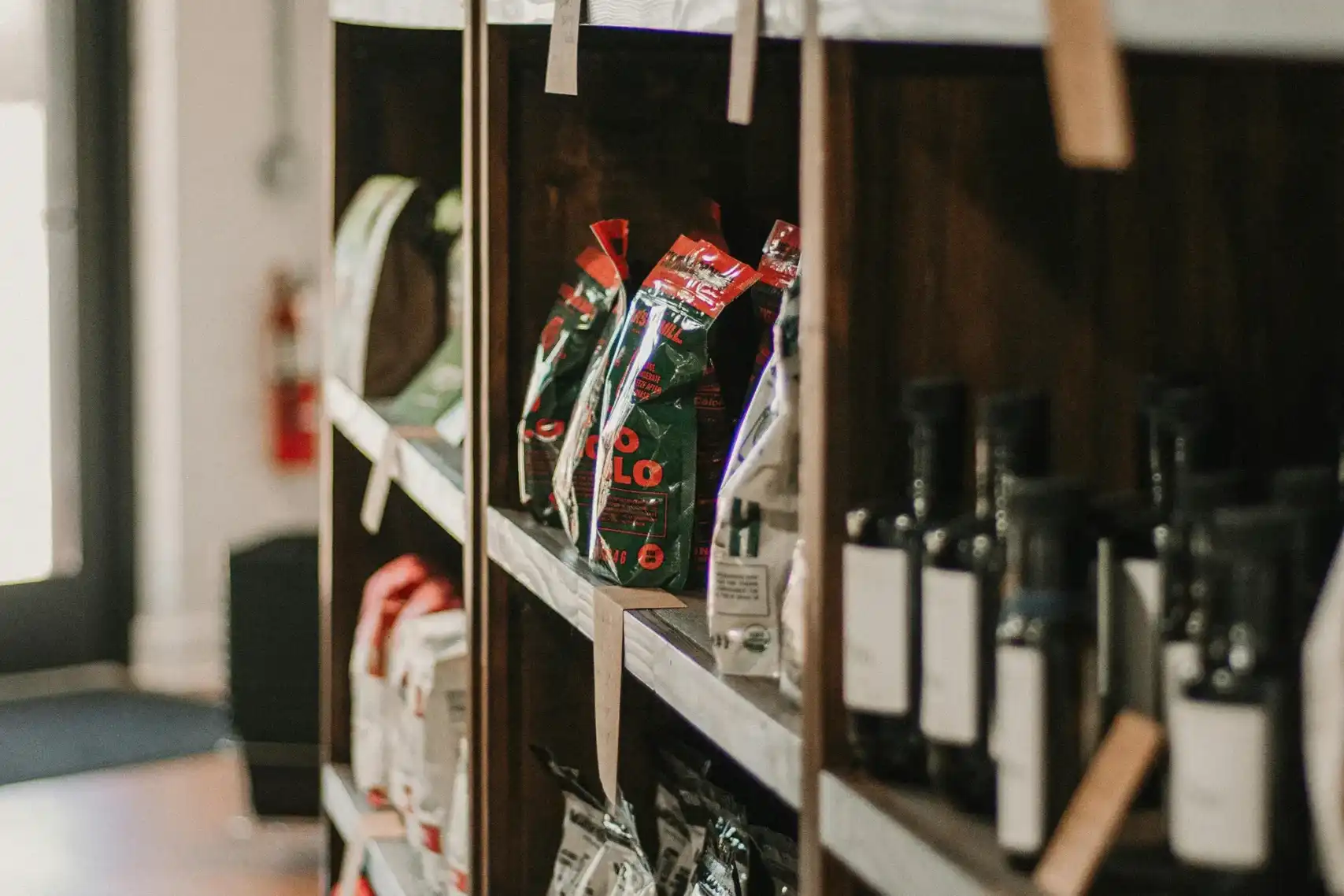
Farm shops & food

Farm shops, cafés, food production and local produce sales allow farms to add value to what they already grow or rear. Direct-to-consumer food businesses build strong local loyalty and can develop into significant year-round enterprises. Planning, food hygiene regulations and footfall potential all need early consideration.

Rural wedding venue and events diversification

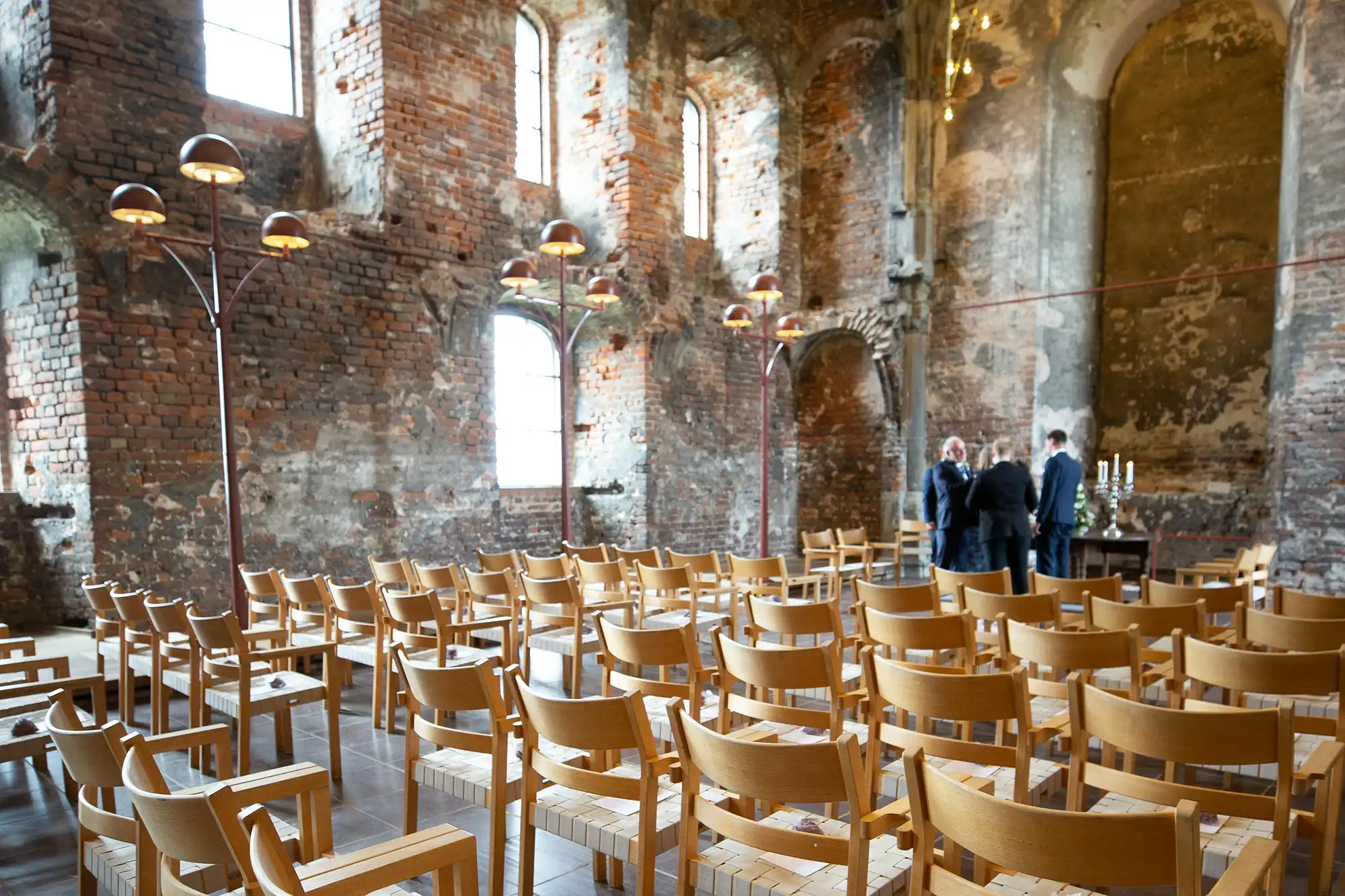
Events & wedding venues

Barn conversions, outdoor event spaces and rural wedding venues are among the highest-value diversification opportunities available to farms and estates. The events sector rewards distinctive settings and strong hospitality, making rural locations well placed to compete. Planning consent and licensing are important early steps for any events-led project.

Commercial property and rural workspace diversification

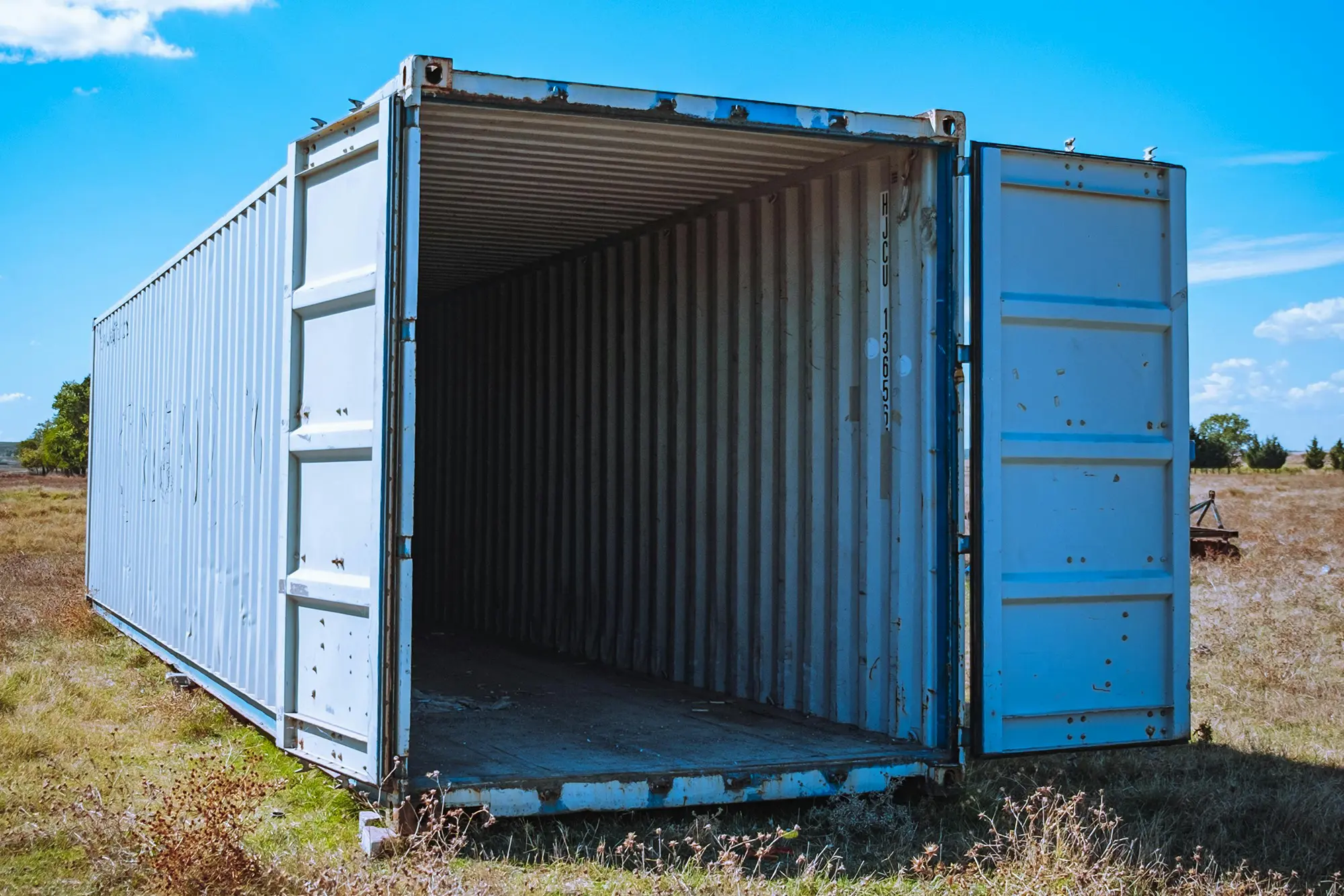
Commercial property

Storage units, industrial buildings, offices and rural workspaces make use of redundant farm buildings and generate reliable long-term rental income. Commercial property conversion is often one of the more straightforward diversification routes, depending on existing structures and local demand. Permitted development rights can simplify the planning process for some conversions.

Renewable energy solar and wind farm diversification

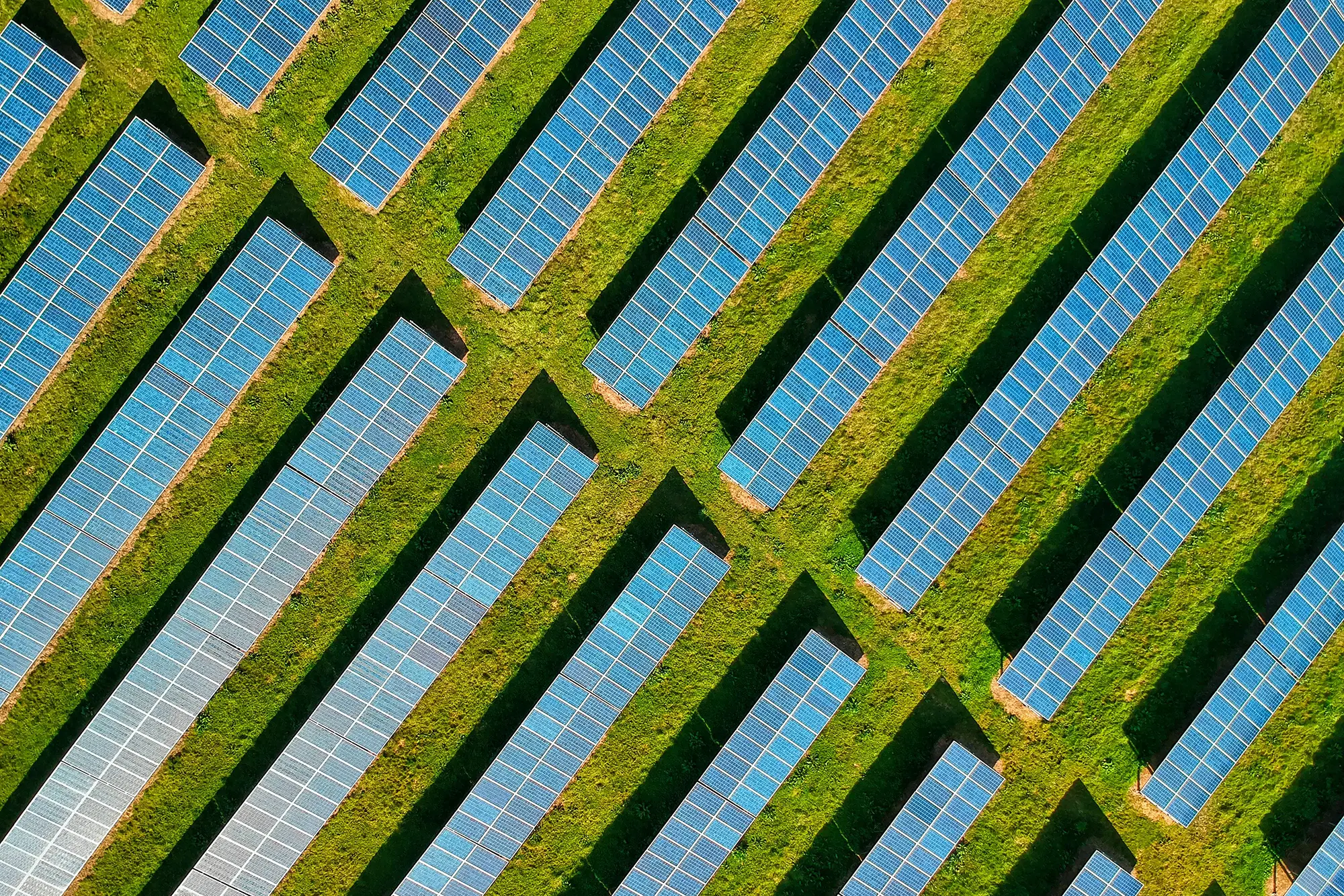
Renewable energy

Solar, wind, biomass and other energy projects allow landowners to generate income from land that may be otherwise underutilised. Ground-mounted solar in particular has seen significant growth across UK farms and estates. Projects vary considerably in scale, investment and planning requirements, making specialist advice essential from the outset.

Leisure and recreation rural diversification

Leisure & recreation

Lakes, fishing, campsites, activity centres and outdoor recreation businesses attract visitors and generate income from rural land in a low-impact way. Leisure diversification works well alongside other income streams and can be developed incrementally. Understanding your catchment area and target audience is an important first step.

Equestrian and livery farm diversification

Equestrian & livery

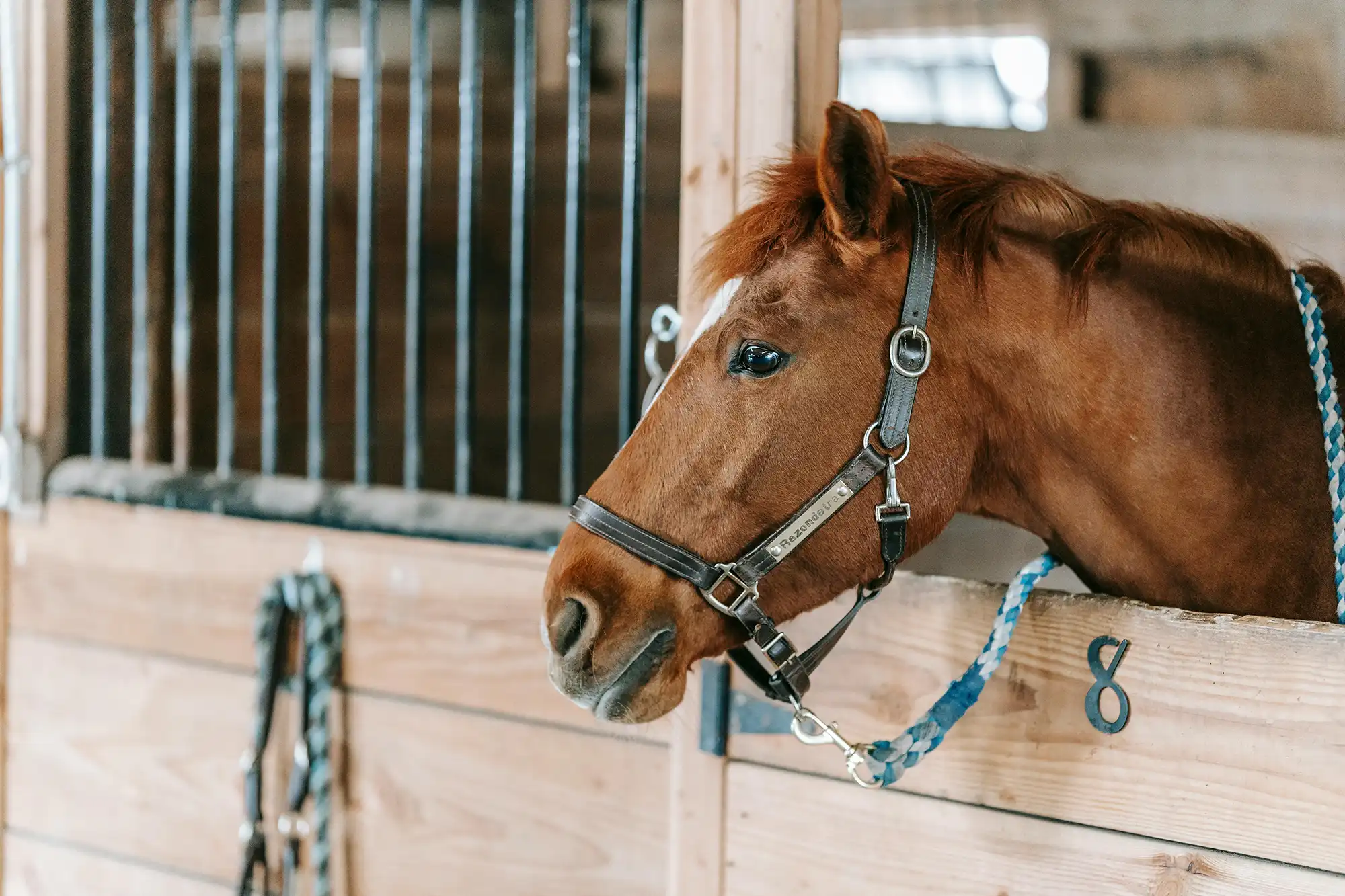
Stables, arenas, grazing and livery businesses make use of existing land and buildings while tapping into strong and consistent local demand. Equestrian diversification can range from simple grazing lets to full livery operations and competition facilities. Planning, insurance and management requirements vary depending on the scale and type of operation.

Wellness and wellbeing rural diversification retreat

Wellness & wellbeing

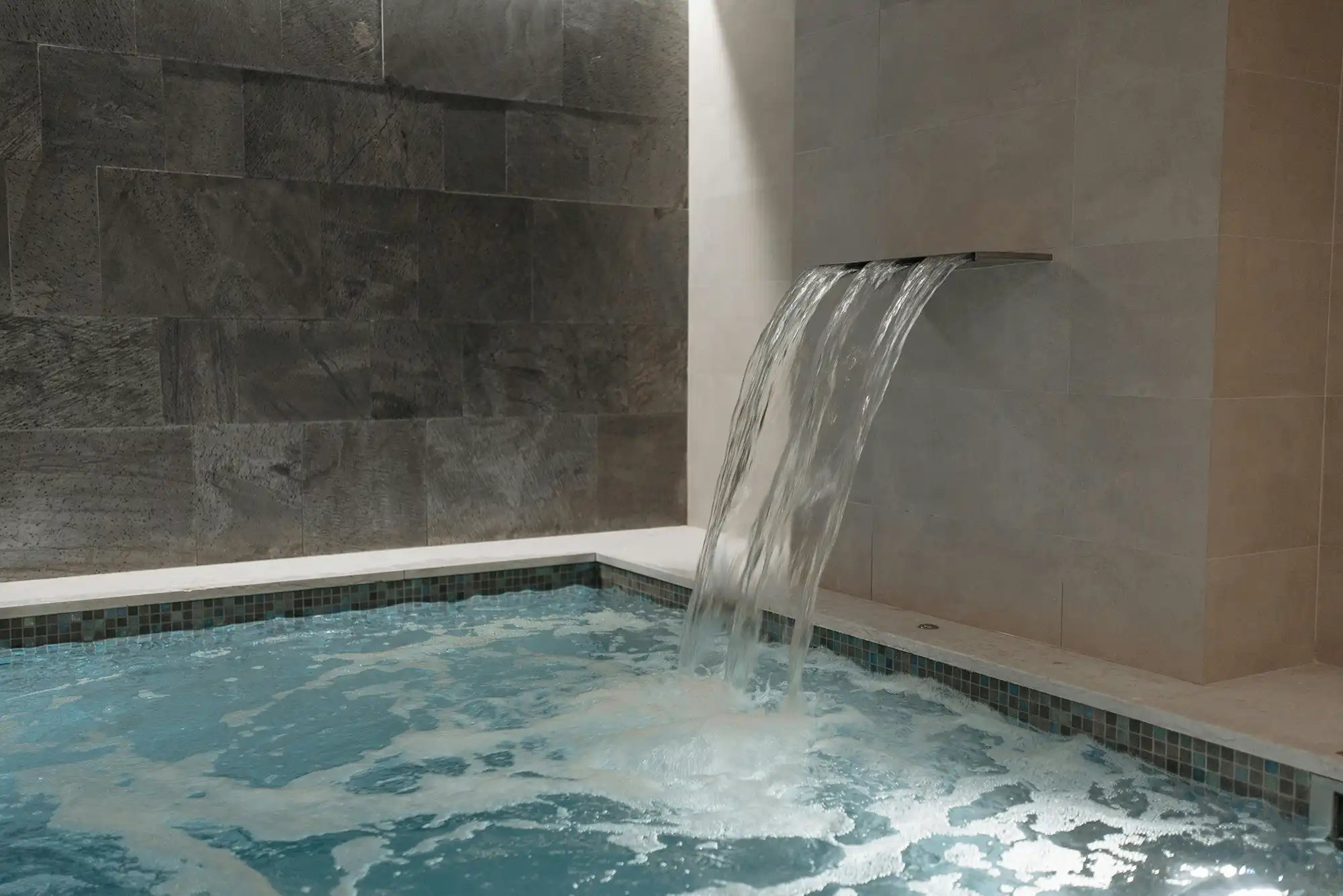
Spas, retreats, therapy spaces, yoga studios and wellbeing businesses are a growing area of rural diversification, particularly for estates and properties with distinctive character and a peaceful setting. The wellness sector rewards authenticity and quality of environment, making rural locations a natural fit. Accommodation, planning consent and a clear target market are key to a successful wellness project.

About the Rural Diversification Collective

The Rural Diversification Collective is a free platform for farmers, landowners, estate managers and rural businesses across the UK. It brings together real life examples of diversification projects, expert insights, upcoming events and a trusted supplier directory — everything needed to explore ideas, learn from real projects and find the right specialists when the time is right.

Join the Rural Diversification Collective