Rural Diversification Collective | Ideas, Insights & Suppliers

Expert insight from Exdell Limited

How can I find out what my land could really be worth?

The clearest way to find out what your land could really be worth is a land portfolio review, an honest, no-commitment assessment that maps every part of your holding against the full range of income and development opportunities open to it, from residential and renewable energy to leisure, biodiversity credits and alternative uses, so you can see its full potential before deciding on next steps.

Read more →
Get the latest rural diversification insights and feature stories straight to your inbox
Rural diversification events to bring landowners, farmers and rural experts together
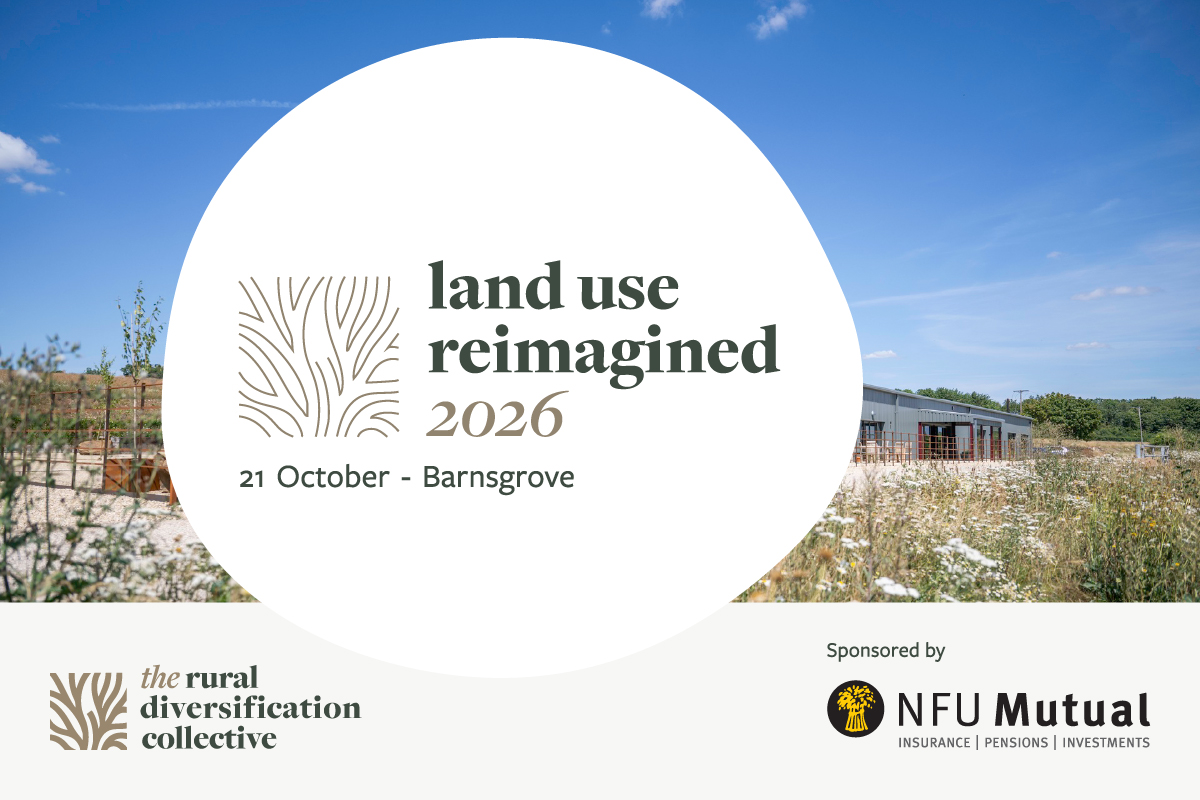
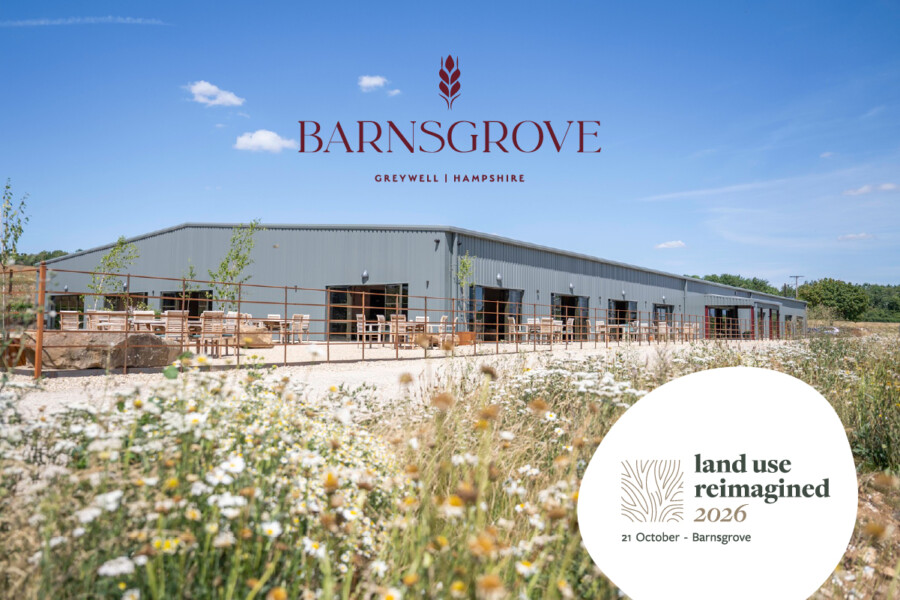
Land Use Reimagined 2026

Land Use Reimagined 2026 - Rural Diversification

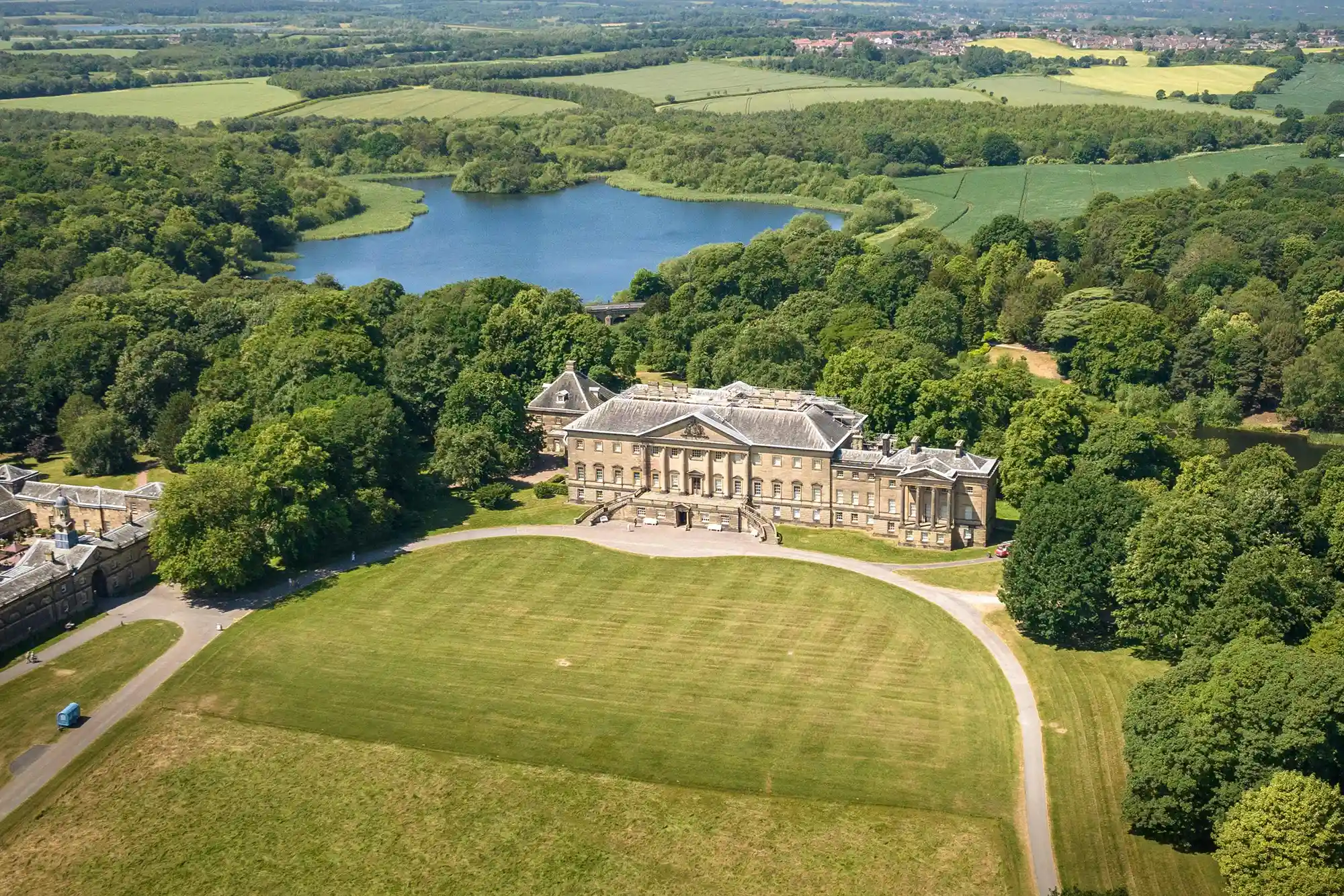
A focused day exploring heritage, hospitality and new uses for rural land, bringing together estate owners, planners, designers and rural specialists at a working example of successful diversification.

21 October 2026, 10:00 am
White Ln, Basingstoke RG29 1GF, UK

Buy tickets

Built around the way rural diversification projects actually develop

Not every diversification idea is ready to act on straight away. The Collective gives farmers, landowners and estate managers the knowledge, real-world examples and trusted contacts to develop plans at their own pace.

Join as a member

Register as a supplier

1

Join the Rural Diversification Collective

Membership is free for farmers, landowners and rural businesses. Signing up gives access to farm diversification features, expert insights, events and a trusted directory of rural specialists.

2

Explore real farm diversification projects

Browse real life examples from working farms, landed estates and rural businesses across the UK, and read expert insights covering planning, finance, design, tourism, hospitality and operations.

3

Connect with trusted rural specialists

As ideas develop, members can contact trusted suppliers, attend focused sessions or make enquiries with specialists in planning, design, finance, tourism, hospitality and other rural sectors.

4

Feature your rural diversification project

Share your diversification story and celebrate what you have built. Features are a powerful way to promote your project, attract visitors, guests or customers and inspire other landowners across the UK.

Search the Directory

Search the directory to find trusted consultants, advisers and specialists working with farms, estates and rural businesses across the UK. From planning and finance to design, tourism, hospitality, land use and beyond, every listing is focused on rural diversification and rural enterprise.

Are you a rural specialist? Register to be listed

Frequently asked questions about rural diversification

Rural diversification means developing new income streams from land, property or rural assets beyond traditional farming. It can include glamping, events, holiday lets, farm shops, renewable energy, equestrian facilities, woodland management and more. The goal is to make a rural business more financially resilient by reducing dependence on a single income source. For many farmers and landowners across the UK, rural diversification has become essential rather than optional as traditional farming income has become less reliable.

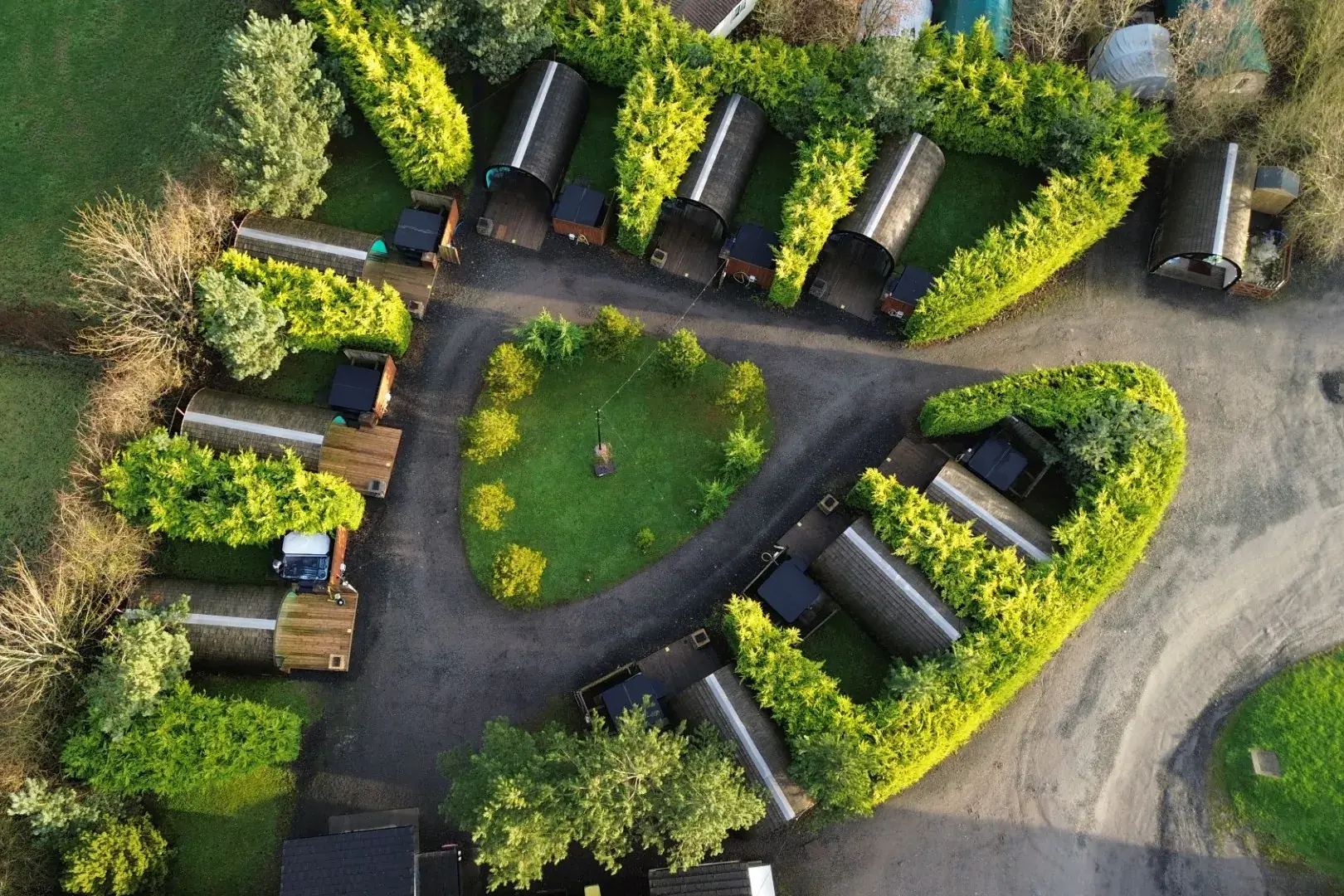
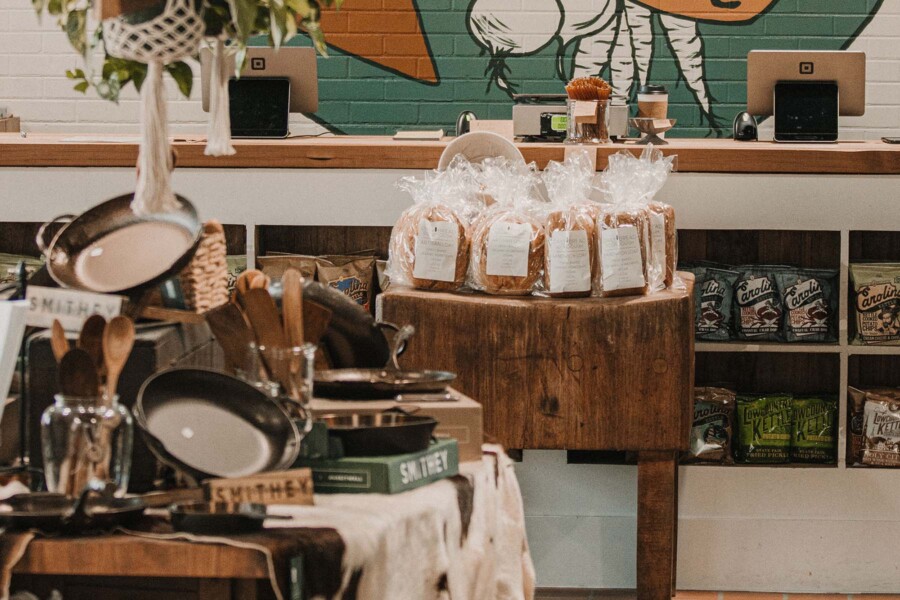
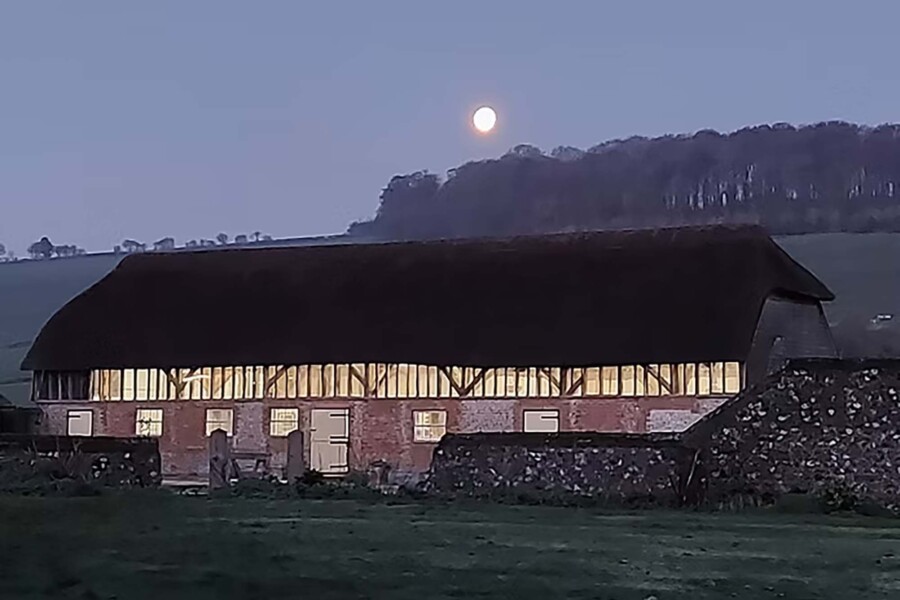
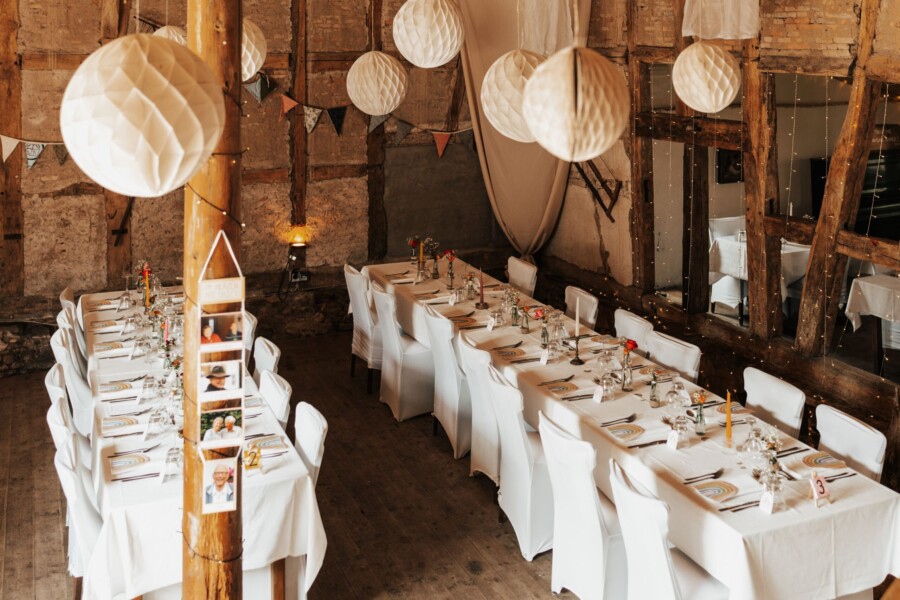
Popular farm diversification ideas in the UK include glamping pods and shepherd huts, holiday lets and barn conversions, wedding and events venues, farm shops and cafes, solar and renewable energy installations, corporate retreat facilities, equestrian businesses, fishing lakes, woodland diversification and agritourism experiences. Ideas that consistently work across different farm types include glamping pods, wedding venues, farm shops, solar installations and corporate retreat facilities. The right option depends on your location, planning constraints, existing assets and how the new activity fits around the farm’s day-to-day operation. Browse our real life farm diversification examples to see how other farms and estates have approached similar projects.

It depends on the project. Some activities fall within permitted development rights and require no formal planning application. Class Q permitted development, for example, allows certain agricultural buildings to be converted to residential use without full planning consent. Other projects, particularly new structures, change of use or high footfall activities such as events venues, will need full planning consent from the local authority. Green Belt land carries additional restrictions that apply to most new development. We recommend speaking with a rural planning specialist before committing to any project. You can find trusted rural planning consultants in the Rural Diversification Directory.

Options include rural development grants such as the Farming Investment Fund, Countryside Stewardship grants and the Rural England Prosperity Fund, alongside commercial lending, asset finance and private investment. Some projects can be self-funded through phased development, starting with one income stream before adding others as the business generates returns. Regional Growth Hubs can provide early guidance on what funding is available in your area. Our insights section includes expert guidance on financing rural diversification projects and our directory lists specialist rural finance advisers who work with farms and estates across the UK.

Agricultural diversification refers to farmers and landowners developing income streams beyond primary food and crop production. It overlaps with farm diversification but also covers larger estates and rural landowners who are not actively farming. Common routes include tourism, renewable energy, leisure facilities, rural workspace and hospitality. As Basic Payment Scheme support has been phased out, agricultural diversification has become an increasingly important strategy for farms seeking long-term financial resilience.

The Rural Diversification Collective is a free platform for farmers, landowners and rural businesses across the UK. It brings together real life examples of farm and estate diversification projects, expert insights from industry specialists across planning, finance, design and hospitality, a trusted supplier directory and events, all focused on helping rural landowners explore and develop diversification projects with confidence.

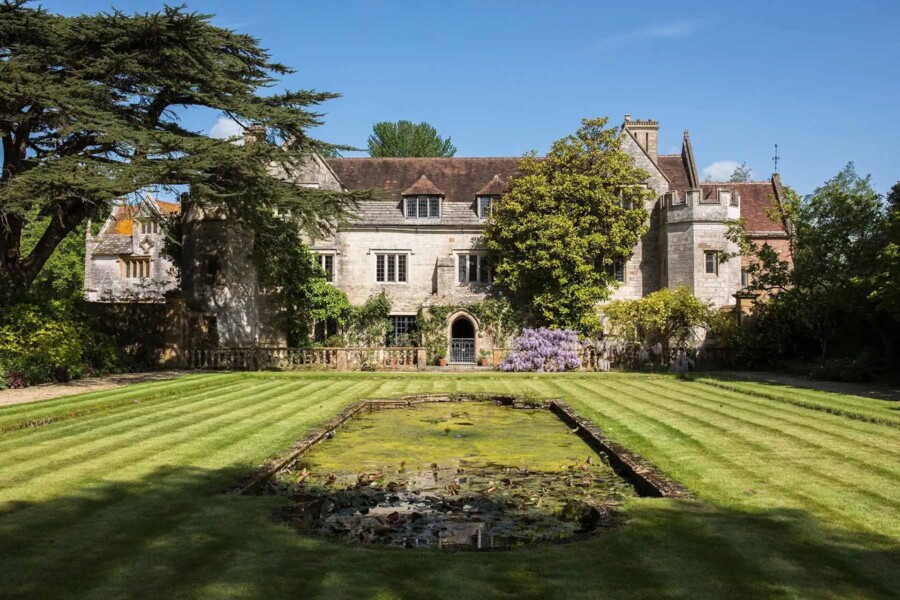
Estates with heritage buildings, parkland and distinctive character are well placed for a range of diversification routes. Popular options include historic house diversification through luxury accommodation, manor house holiday lets, exclusive use hire for weddings and private celebrations, corporate retreat facilities, wellness retreats and high-end rural tourism. Country house diversification often works best when it draws on the history and character of the property rather than replacing it. The Collective brings together real life estate diversification examples and expert insights alongside trusted specialists in planning, design, hospitality and land use.

Yes, many successful diversification projects have been developed on small farms. Scale matters less than finding the right idea for your location, market and planning context. Lower-capital options like glamping pods, shepherd huts, farm experiences or leasing land for solar installations can work well on smaller holdings. Starting with one income stream and expanding based on demand is a lower-risk approach that suits farms where capital is limited. Our real life farm diversification examples include projects from farms and estates of all sizes.

The most important first step is understanding what your land, buildings and location can realistically support. A professional feasibility study, early engagement with a rural planning consultant and research into how similar farms have diversified are all valuable before any capital is committed. Understanding your planning constraints, local demand and the investment required for different options will help narrow down which farm diversification ideas are worth pursuing. The Rural Diversification Collective brings together real farm diversification examples, practical expert guidance and trusted specialists to help landowners move from initial idea to informed decision.

The Rural Diversification Directory lists trusted consultants, advisers and specialists working with farms, estates and rural businesses across the UK. Categories include rural planning consultants, land agents, chartered surveyors, rural diversification advisers, finance specialists, architects, interior designers, glamping consultants, hospitality consultants and more. Search by keyword, category and postcode to find specialists near you. Every listing is focused on rural diversification and rural enterprise.

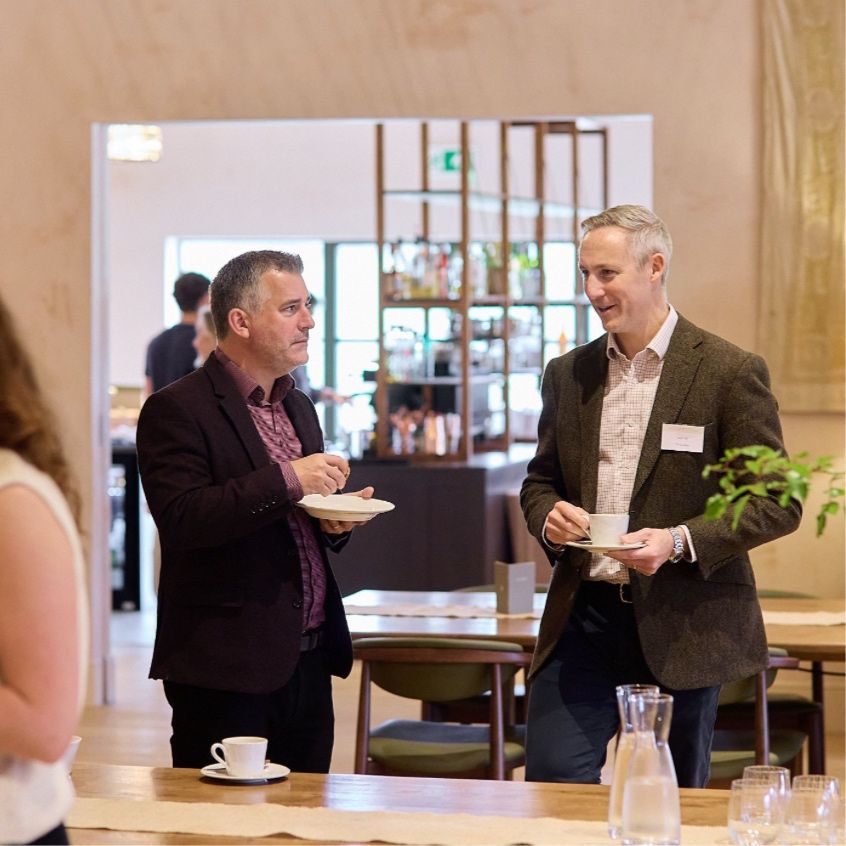
The Collective lists upcoming rural diversification networking days, workshops and sector-specific events designed for farmers, landowners and rural specialists. These are opportunities to meet other diversifiers, hear from specialists working across planning, finance, design and hospitality, and move diversification plans forward. View upcoming events on the events page.

The directory is open to consultants, advisers and specialists working with farms, estates and rural businesses. Listings are available on monthly or annual subscription and include a full profile, expert insight publishing tools and visibility across relevant category pages. Register as a supplier to apply for a listing.