What should a farm shop prioritise first to improve SEO and online sales?
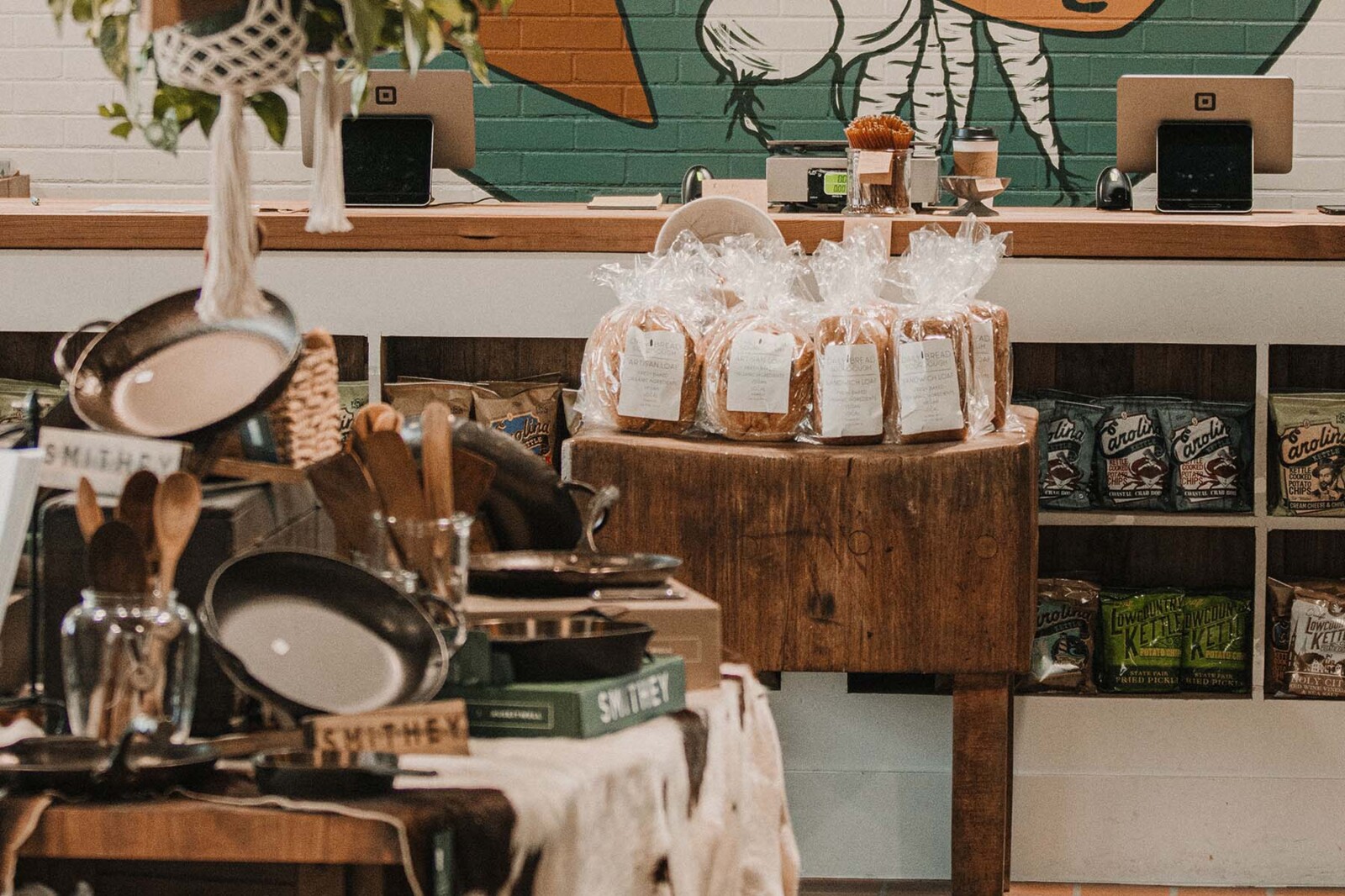
Farm shops can significantly improve both footfall and online sales through better search visibility, but it requires more than a well-built website at launch. The most impactful steps are often the foundational ones: a properly maintained Google Business Profile, a mobile-friendly site that loads quickly, a checkout process that does not frustrate customers, and consistent content updated through the year. SEO takes time to deliver results, typically three to six months before meaningful movement, but the compounding effect of doing the basics well is substantial for any rural food business competing for local customers.
Rural Diversification Insights from Hague & Gray
23 June 2026
At Hague & Gray, we work with rural and independent businesses who have often invested real effort into getting a website built, only to find it quietly stops working for them over time. Farm shops are a good example of this pattern, and it is worth being direct about why it happens and what can realistically be done about it.
The single most common mistake we see is treating a website as a one-off project. It gets built, it looks good at launch, and then nothing changes for two or three years. The problem is that Google rewards websites that are active and relevant. A site that has not been touched since 2021 is almost certainly being outranked by competitors who are publishing seasonal updates, keeping their Google Business Profile current, and adding new pages as their offer develops. The decline is slow and invisible. You do not receive a notification when your rankings drop. Footfall holds steady for a while because of loyal regulars and word of mouth, so the problem is not obvious. But new customers, the ones who would have found you through search, are finding someone else instead.
Google Business Profile is probably the most underused tool available to farm shops, and it is entirely free. When someone searches for a farm shop near them, the map results that appear at the top of the page are driven almost entirely by this profile. Leaving it incomplete, with missing opening hours, no photos, or a category that does not reflect what you actually sell, creates gaps in your visibility that are straightforward to close. Profiles with regular photo updates receive significantly more clicks and direction requests than those without. The posts feature, which works similarly to a social media update but sits directly on your Google listing, is almost universally ignored. A few seasonal updates a year, a note about Christmas order deadlines, or a post about pick-your-own availability takes five minutes and keeps the profile active in Google’s eyes. Reviews matter too, not just collecting them but responding to them. A considered reply to a negative review builds more trust with prospective customers than no response at all.
For farm shops with an online shop, the investment in building it is often not matched by sufficient attention to whether it actually works for the person trying to buy. The most common conversion problems are a checkout process with too many steps, a site that does not perform properly on a mobile phone, product photography that does not reflect the genuine quality of what is being sold, delivery costs that are hidden until the final screen, and a lack of trust signals such as reviews, a returns policy, or simply a visible phone number. Any one of these can be enough to lose a sale from someone who was genuinely ready to buy.
On platform choice, the honest answer is that setup and ongoing strategy matter more than which platform you choose. That said, for most independent farm shops, WordPress with WooCommerce offers the best long-term balance of SEO flexibility, cost control, and the ability to handle local delivery and click and collect properly. Shopify is worth considering where sales volume is high and simplicity of management is the priority. Squarespace and Wix tend to create a ceiling you will hit sooner than expected if search visibility and e-commerce are both genuine priorities.
For any farm shop owner thinking about where to focus first, the priority order is clear. Claim and complete your Google Business Profile. Make sure your website loads quickly on a mobile phone. Simplify your checkout and show delivery costs early. Ask satisfied customers for a Google review and respond to the ones already there. Commit to a small amount of seasonal content each year rather than an unrealistic publishing schedule. These are not workarounds for a tight budget. They are the foundations that determine whether everything else you invest in actually performs.
If you are unsure where your site currently stands, a technical audit is the most useful starting point. It tells you what is already working, what is holding you back, and where the most reliable gains are likely to come from before any further investment is made.


Written by Adam Gray
Partner and Director, Hague & Gray
Discover more and get in touch with Hague & Gray
Could your expertise support landowners exploring rural diversification? Join the rural diversification supplier directory
Explore more insights from the Rural Diversification Collective
Exdell Limited
How can I find out what my land could really be worth?
Jonny Bann Consultancy
How can I fill midweek gaps at my venue with corporate bookings?
Jonny Bann Consultancy
How can I make better use of my venue’s existing assets for the corporate market?

SPASE Architects & Surveyors
How energy retrofit can make a heritage building work as a rural business
Dudley Peverill Associates LLP
Can I use permitted development as a fallback if my planning application gets refused?
Smart Wave Business Support