Farm diversification at The Dragon’s Gate: from beef cattle to weddings, glamping and wild swimming
How a Herefordshire farming couple built a thriving rural tourism business by recognising the value of what they already had
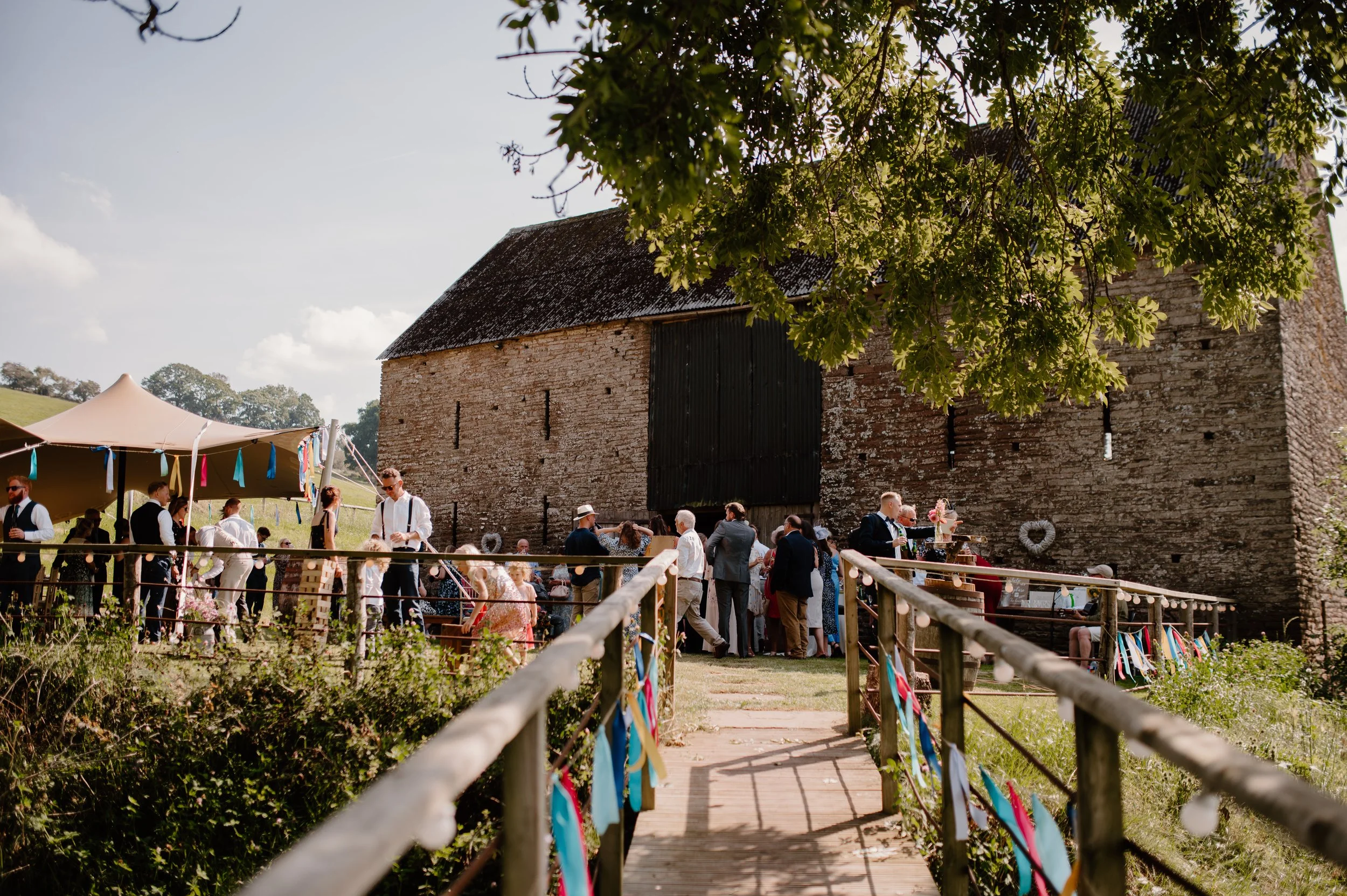
The Dragon's Gate in Garway shows how farm diversification ideas can grow organically from the land itself, building multiple income streams without losing the character of the original farm
Bill Sparey had farmed beef cattle at Garway in Herefordshire for years. His wife Cheryl had built a successful career in private aviation. When they decided to return to the farm together and build something long-term, they didn’t arrive with a masterplan. What they had was land, a spring-fed lake, a barn with character, and a belief that farm diversification could provide the security that farming alone no longer reliably offered.
What followed was not a single transformation but a sequence of decisions, each one building on the last. Glamping cabins came first. Then weddings. Then wild swimming. Each step was shaped by what guests wanted, what the land could support, and what Cheryl and Bill were willing to take on. The result is one of the more instructive farm diversification examples in the rural tourism sector: a business that now runs across multiple income streams, turns away wedding bookings two years in advance, and has turned a spring-fed lake into one of its most consistent revenue sources.
Farm diversification ideas: starting with glamping
In 2020, the Spareys installed luxury glamping cabins on the farm. The reasoning was straightforward: use the land to generate income without compromising its core identity. The cabins were not an afterthought. Each was designed with proper insulation, en-suite bathrooms, kitchenettes and outdoor bathing facilities. Comfort mattered as much as the view.
By 2023 the cabins were running at over 60% occupancy year-round, including during the quieter periods that had previously left the farm income vulnerable to seasonality. The glamping business did two things simultaneously: it generated direct revenue and it proved that visitors would travel to Garway for an experience rooted in the farm’s landscape and character.
That proof of concept mattered. It gave the Spareys confidence that the farm had something genuinely worth developing further, and it gave them a clearer picture of what their guests were actually looking for.
How the farm became a wedding venue
After hosting their own wedding on the farm, Cheryl and Bill recognised that the space could offer something distinct in the wedding market: expansive views, a working farm setting, a barn with character and a lake. Festival-style weddings and more intimate gatherings both fitted naturally within the site.
Securing the wedding licence required patience. Planning and licensing for rural wedding venues involves navigating agricultural land use designations, event licensing requirements and local authority relationships, none of which are straightforward for a working farm. The Spareys worked with specialist rural planning consultants, including The Rural Planning Co, to move the process forward. That professional support, sought early rather than after problems arose, proved essential.
“Working with the right people from the start made the difference,” says Cheryl. “The process could have been daunting. With the right support, it wasn’t.”
Today, the wedding venue is booked up to two years in advance. The barn accommodates large festival-style events as well as smaller, more intimate gatherings. The glamping cabins serve a dual function, operating as standalone holiday accommodation outside the wedding season and as guest accommodation for wedding parties during it. That overlap between income streams is one of the practical advantages of farm diversification built around a single coherent site rather than unrelated activities bolted together.
The unexpected income stream: wild swimming and rural wellness diversification
The wild swimming operation at The Dragon’s Gate began as an organic response to guest requests rather than a planned diversification move. Visitors staying in the cabins wanted to swim in the spring-fed lake. The Spareys said yes, and then looked more carefully at what they had.
“Sometimes you need someone else to tell you what you’ve got,” says Cheryl. “We’ve had to learn to step back and appreciate what the land offers, rather than focusing on what we thought we needed.”
Swimming sessions are now available ten times daily, four sessions a day, seven days a week outside of Christmas Day and weekends reserved for large weddings. A partnership with Black Box Sauna has added a lakeside sauna offering alongside the swimming, creating a rural wellness proposition that sits entirely within the existing landscape without requiring significant new infrastructure.
The wild swimming operation has become one of the most consistent parts of the business, generating revenue across the week rather than only at weekends, and attracting a different visitor profile to the glamping and wedding guests. For farms with natural water features, it is a diversification route that remains significantly underexplored.
How to run a diversified rural business: technology and operations
Running a farm that now operates as a glamping retreat, wedding venue and wild swimming destination simultaneously requires operational systems that can handle multiple booking types without significant administrative overhead.
The Spareys approached this in stages. Glampmanager was introduced to handle cabin reservations, managing bookings and guest communications in a way that freed up time without removing the personal contact that guests valued. As the wild swimming operation grew, Ticket Tailor was added to manage session bookings and control availability across the day.
As the business expanded further, Hague and Gray designed a custom website integrating all three revenue streams, giving wedding enquiries, glamping bookings and swimming reservations a single coherent digital front door. The investment in the right technology at the right stage of growth is one of the less-discussed aspects of farm diversification, but one that materially affects whether a multi-stream rural business remains manageable as it scales.
Farm diversification lessons from The Dragon’s Gate
The Spareys’ experience at The Dragon’s Gate offers a number of observations that are directly applicable to other landowners considering farm diversification.
The land itself held more potential than they initially recognised. The lake, which had been a background feature of the farm for years, became one of its most valuable commercial assets once they looked at it through the eyes of their guests rather than their own familiarity with it. Taking outside perspectives seriously, from planners, from visiting experts and from guests, changed how they understood what they had.
Starting with one income stream before adding others reduced the risk of the overall project. Glamping first provided proof of concept, operational learning and early revenue before the significantly larger commitment of the wedding venue licence was pursued. Each new strand was added when the previous one had demonstrated viability.
Knowing when to bring in specialist support saved time and money. Rural planning and licensing for events and glamping on agricultural land is genuinely complex. The cost of professional advice at the planning stage is considerably lower than the cost of navigating problems that arise from proceeding without it.
And the overlap between income streams, cabins that serve both holidaymakers and wedding guests, a lake that generates daily revenue outside the event season, a sauna that adds value to both the wellness and wedding offering, means that the business is more resilient than any one of its parts would be alone.
For more farm diversification examples and practical guidance, explore the farm diversification ideas section of this site. Landowners considering similar projects can find specialist planning consultants, designers and advisers through the Rural Diversification Directory.
To learn more visit https://thedragonsgate.co.uk
Written by Adam Gray
Joint Founder of The Rural Diversification Collective
Topics covered:
How farms, estates and rural businesses are diversifying
From working farms to landed estates and rural businesses, these features explore how landowners across the UK are diversifying through glamping, events, vineyards, holiday lets, wellness retreats and more. Each one shares the thinking, decisions and experience behind a real project.
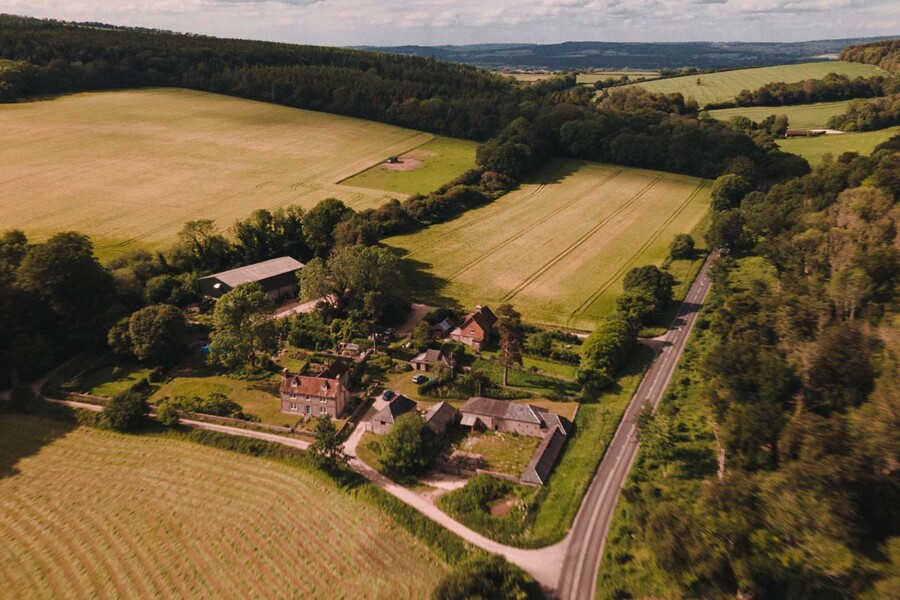
Rural Diversification Collective
A tourist tax with no cap, no coordination, and no idea who it will hurt
Rural Diversification Collective / The Glamping Show
Rural diversification takes centre stage as The Glamping Show partners with the Collective

Rural diversification events to bring landowners, farmers and rural experts together
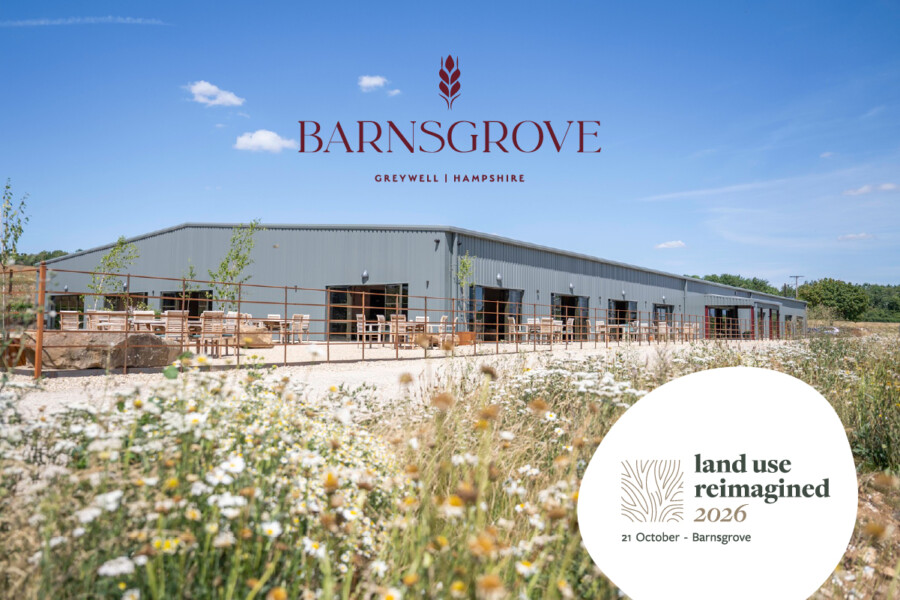
Land Use Reimagined 2026 - Rural Diversification
A focused day exploring heritage, hospitality and new uses for rural land, bringing together estate owners, planners, designers and rural specialists at a working example of successful diversification.
21 October 2026, 10:00 am
White Ln, Basingstoke RG29 1GF, UK
Search the Directory
Search the directory to find trusted consultants, advisers and specialists working with farms, estates and rural businesses across the UK. From planning and finance to design, tourism, hospitality, land use and beyond, every listing is focused on rural diversification and rural enterprise.
Are you a rural specialist? Register to be listed