From neglect to destination: Barton Court, the journy of a historic country estate
How a dilapidated Herefordshire manor house became a thriving rural diversification business, and why knowing what not to do was as important as knowing what to do
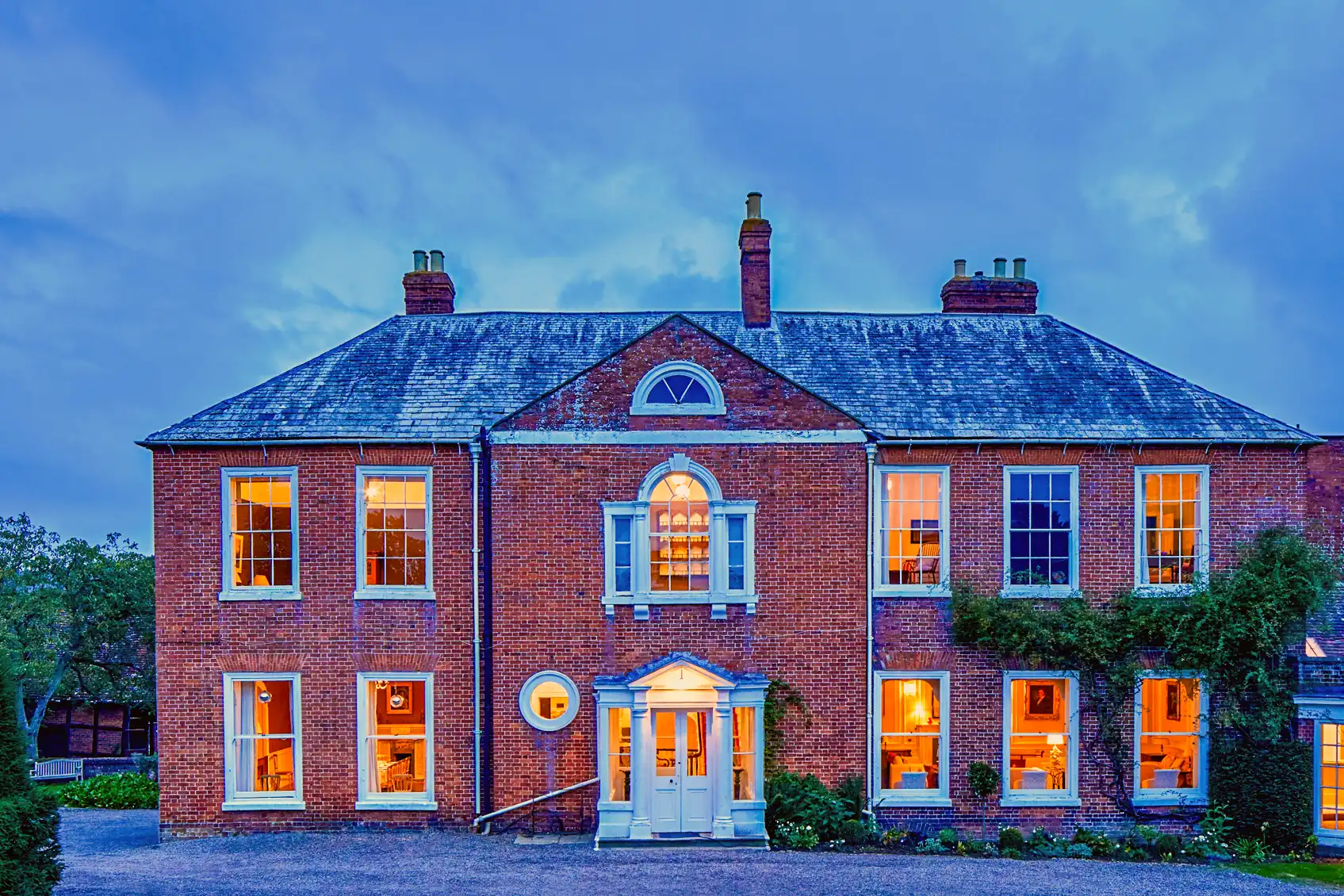
A Herefordshire manor house illustrates how country house diversification can create long-term commercial sustainability through holiday lets, corporate retreats and events
When Linda and James first walked around Barton Court in 2015, it had been a family home for 130 years. The gracious Georgian architecture was still there. So were the original features, the high ceilings and the magnificent views over the Malvern Hills. What was also still there, rather less appealingly, was failing electrics, failing plumbing and the accumulated neglect of a building whose owners had, over time, stopped seeing what they had.
“It was neglected and dilapidated,” says Linda. “But to us, it was a diamond twinkling in the rough.”
They were not naive about what they were taking on. By the time they found Barton Court, they had looked at fifty properties and built up a clear-eyed picture of what they wanted to create. What they brought to Herefordshire was not just passion for the building, but a commercial framework developed through years of running holiday lets and an honest reckoning with the opportunities and limits of historic estate diversification.
That combination of emotional connection to the property and hard-won business experience is precisely what makes Barton Court an instructive case study in rural diversification.
From London to rural diversification: the back story
Linda’s background was in corporate relocation. James was an advertising photographer. Neither came from hospitality, farming or estate management. They moved from London to the Cotswolds to give their son space to grow up, bought a cottage, found they couldn’t bear to sell it when they outgrew it, and started renting it as a holiday let instead.
“It snowballed from there,” says Linda. “We ended up specialising in large group stays and wanted to develop that further.”
As the Cotswolds became, in Linda’s words, “a bit too urban,” they looked further afield and discovered Herefordshire: a county that had not yet been overrun, with lower land prices and a quiet intensity to its landscape that felt genuinely different from the honeypot areas further south.
The path to Barton Court was not straightforward. They found the property, wanted it, couldn’t afford it. The sale to another buyer fell through. The owner called them back. That kind of second-chance acquisition is not a strategy anyone can plan for, but it reinforces a point that experienced diversifiers often make: persistence and patience in finding the right property matters as much as what you do with it once you have it.
Historic house diversification: knowing what not to do
One of the most instructive aspects of the Barton Court story is not what Linda and James decided to pursue, but what they decided to step back from.
When they acquired Barton Court, the original plan was to develop it as a wedding venue. They had sold their Cotswolds holiday let portfolio to fund the project and committed seriously to the idea. But as they got closer to the wedding market, understanding what it actually required operationally, what the margins looked like and what the competitive landscape had become, they changed course.
“We wish we had understood the wedding industry better before we went into it,” says Linda. “The input required does not always match the return.”
The geography of the estate also made a full wedding venue operation impractical. But Linda is candid that it was not just a logistical decision. Having looked hard at what running a wedding venue would actually demand, the staffing, the liability, the intensity of the peak season, the expectation management, she concluded it was not the business she wanted to build. That kind of honest self-assessment, before too much capital is committed in the wrong direction, is something many rural diversification projects lack.
The pivot back to holiday lets and hospitality drew on their existing strengths and produced a more sustainable model. Barton Court does accommodate small weddings and celebrations of up to forty people as part of its broader offering, but it does so on its own terms, as a hired private estate rather than a managed venue, which is a materially different operational proposition.
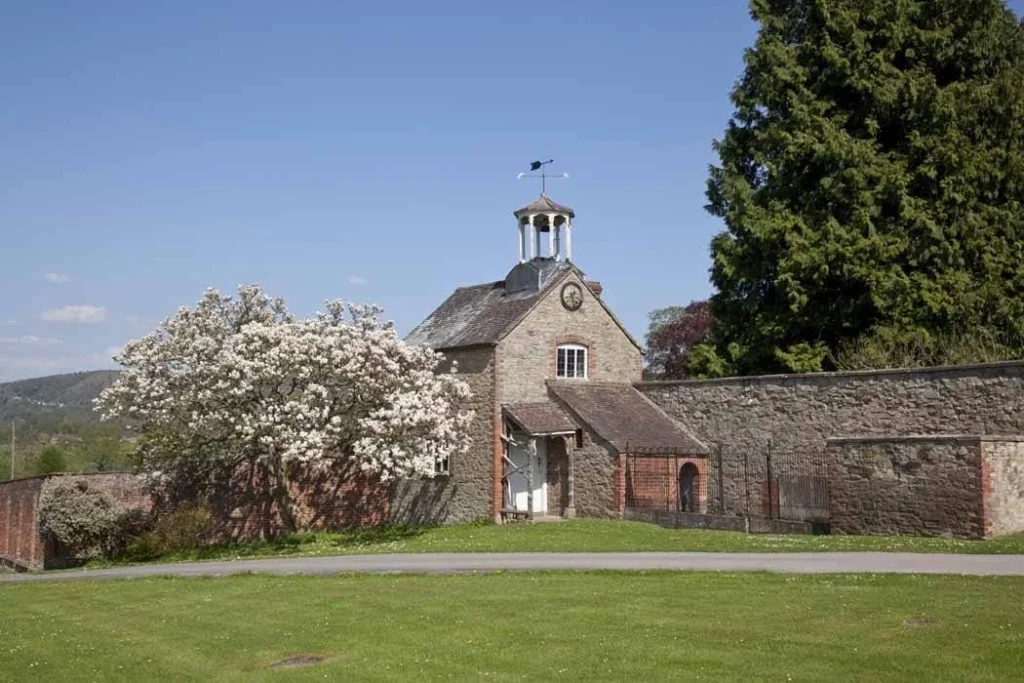
What Barton Court is instead is a self-catering estate offering large group holiday lets, smaller couples’ retreats and, increasingly, corporate away days. The main house sleeps 26, with the adjacent Coach House adding further capacity. Four separate boltholes, the Clock Tower, the Hayloft, the Stables and the Coach House, offer self-contained accommodation for couples and smaller groups. Multiple properties can be booked simultaneously, which gives Barton Court flexibility across very different guest profiles within the same weekend.
The estate is not a hotel. There is no front desk, no restaurant service, no daily housekeeping. Linda and James are on hand nearby, reachable but not intrusive. This model keeps staffing costs manageable and preserves the character that makes the property distinctive: guests feel they have the run of a private country house, not a managed facility.
Country house diversification: stacking income streams across the week and year
The clearest commercial insight embedded in Barton Court’s model is the deliberate separation of weekend leisure and midweek corporate use — a approach that any country estate diversification strategy should consider.
Weekend stays, family gatherings, milestone celebrations, groups of friends, are the primary revenue driver, anchored by the main house at around £5,500 for a weekend for 26 people. The boltholes run alongside this, generating income from couples who want something more intimate but no less well appointed.
Midweek is a different proposition. Barton Court has invested in superfast broadband, structured the barns as flexible meeting and activity spaces, and developed a programme that includes yoga in the converted sawmill and Pilates in the barns. The target market is London-based corporate teams seeking genuine detachment from the office environment, not a hotel conference room dressed up as a retreat, but somewhere that genuinely feels different.
“The corporate away-day market is underserved by properties like ours,” says Linda. “Most large country houses don’t think about wifi or working infrastructure. We do.”
Colwall railway station, a ten-minute walk from the estate, makes Barton Court accessible to London without requiring guests to drive. Once there, the estate offers genuine seclusion. That combination of easy to reach and hard to leave behind is a practical differentiator that translates directly into bookings.
The Dutch barn on the estate seats up to 90, which opens up a further tier of programming: conferences, performances and, increasingly, a curated programme of events designed to attract guests who might not otherwise have considered a stay. The most visible example is the Midsummer Dinner on 25 June 2026, a five-course evening at £120 per head, developed in collaboration with Fusion Brasserie and Hay Wines, an independent wine merchant. Each course is paired with a matched wine from a different European region, from a Cretan Assyrtiko to a Banyuls from Languedoc-Roussillon.
It is not a large revenue event in isolation. But as a marketing tool, placing Barton Court in front of a food and drink audience, creating press opportunities and building relationships with local hospitality businesses, it punches well above its weight.
The restoration as competitive advantage in historic estate diversification
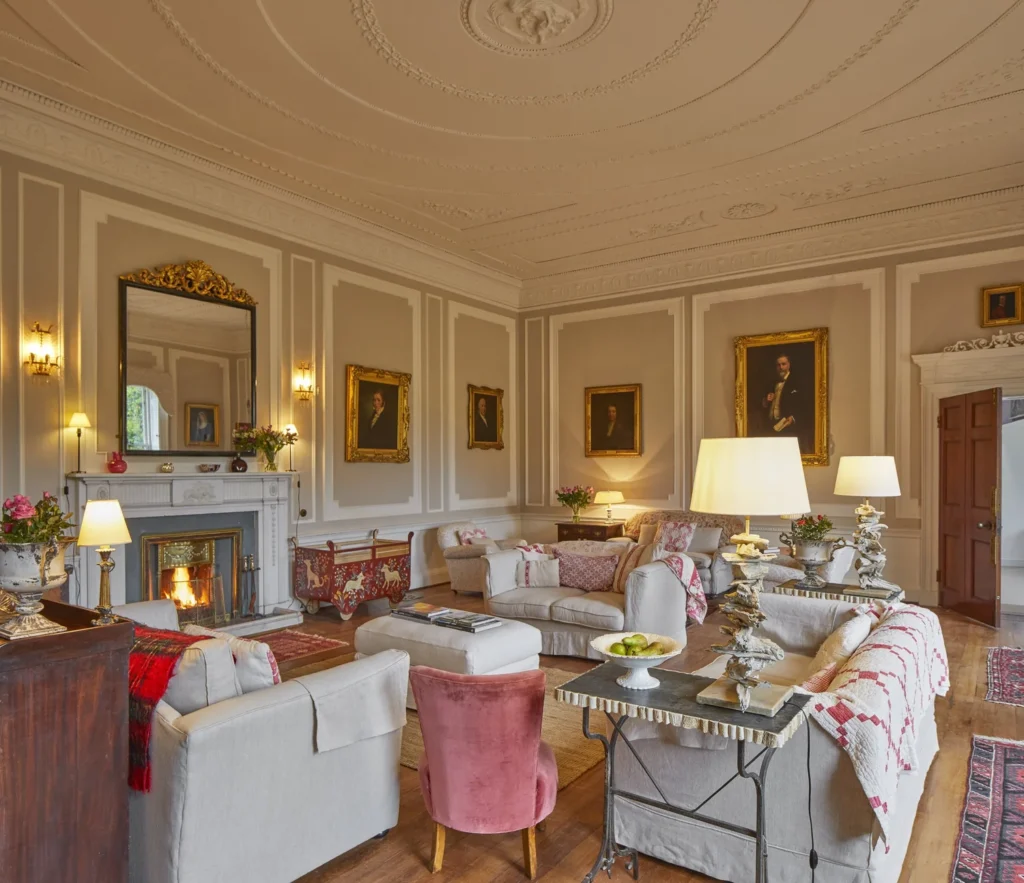
What distinguishes Barton Court from a purpose-built rural hospitality operation is the building itself, and the decision to preserve rather than neutralise its character. This is a lesson that applies to any historic estate diversification project: the history is the asset, not the obstacle.
The eleven bedrooms in the main house are each named after a creative figure connected to the Malvern Hills landscape: Tolkien, who drew on the hills when writing the Shire; Auden, who walked the fields visible from his room’s window while composing poetry; Elgar and Holst; Elizabeth Barrett Browning, who spent formative years at Hope End nearby. The rooms are individually decorated, furnished with antiques and period pieces, and designed to feel discovered rather than designed.
The garden structure is two hundred years old. Mature sweet chestnuts and walnuts, yew hedges centuries in the establishing, a meadow kept deliberately natural for wildflowers and pollinators. One guest counted fourteen red kites overhead. Tina, the gardener, mows paths through the long grass in summer so guests can explore the copse beyond.
None of this happened by accident. Linda and James made a deliberate choice to restore rather than modernise, to retain original features rather than replace them, and to treat the history of the building as the primary commercial asset rather than an inconvenience to be worked around. That restraint is, paradoxically, what gives Barton Court its commercial edge. It cannot be replicated by a new build. It cannot be recreated by a sympathetic renovation that strips too much out. The patina is the product.
Georgian manor house diversification: finding the right niche
For anyone considering a similar farm or estate diversification project, the Barton Court story offers a number of practical observations.
Prior experience in a related sector reduced the risk materially. Linda and James did not arrive at a complex, multi-building estate without any understanding of what holiday let guests expect, how to present a property or how to build direct bookings. They had made their mistakes elsewhere, at smaller scale.
The decision to focus on what the property is genuinely suited to, rather than what might theoretically generate the most revenue, has produced a more coherent business. Large group holiday lets, intimate boltholes and corporate retreats are not in conflict with each other. They serve different guests across different parts of the week and year, using the same asset in complementary ways.
The events programme is emerging as a third strand that supports both marketing and revenue, without requiring the infrastructure of a full events venue operation. This is a model worth watching: not events as the primary business, but events as a way of building a community of guests around a place.
And the corporate market, still underexplored by many rural hospitality businesses, offers midweek yield that weekend leisure alone cannot provide. In a sector where empty midweek nights represent significant lost income, developing a proposition that genuinely serves professional groups, not just accommodates them, is increasingly important.
Barton Court has taken eleven years to reach this point. The restoration was demanding, the early business model required adjustment and the path was not linear. But the estate that exists today, commercially viable, clearly positioned and still improving, reflects what patient, experienced, thoughtful country estate diversification can produce.
For more examples of how rural landowners are finding sustainable income models, explore the rural diversification case studies and farm diversification ideas sections of this site.The Midsummer Dinner on 25 June is open to guests staying at Barton Court and to external bookings. For corporate offsite enquiries, details on packages, meeting spaces and accommodation are available at https://bartoncourt.co.uk

Written by Adam Gray
Joint Founder of The Rural Diversification Collective
Topics covered:
How farms, estates and rural businesses are diversifying
From working farms to landed estates and rural businesses, these features explore how landowners across the UK are diversifying through glamping, events, vineyards, holiday lets, wellness retreats and more. Each one shares the thinking, decisions and experience behind a real project.
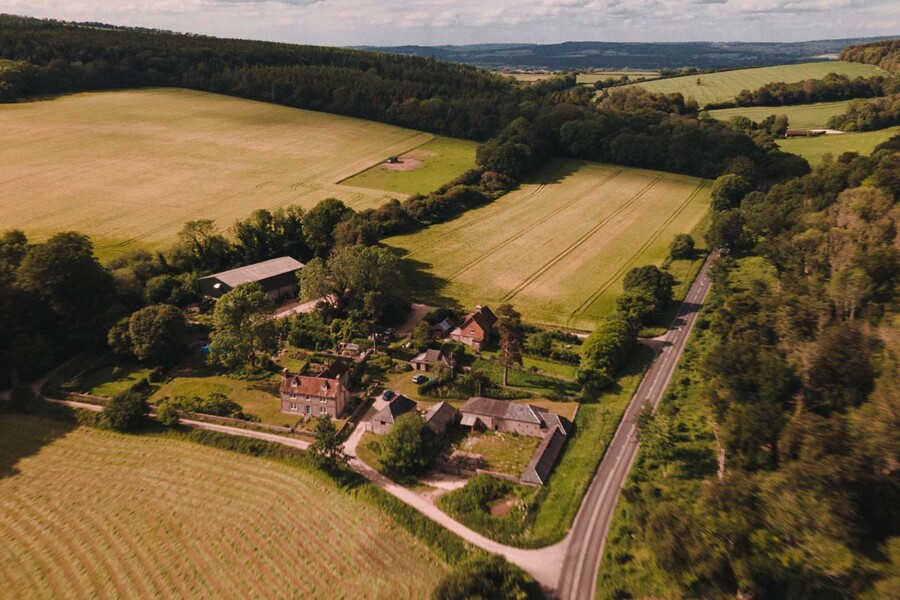
Rural Diversification Collective
A tourist tax with no cap, no coordination, and no idea who it will hurt
Rural Diversification Collective / The Glamping Show
Rural diversification takes centre stage as The Glamping Show partners with the Collective
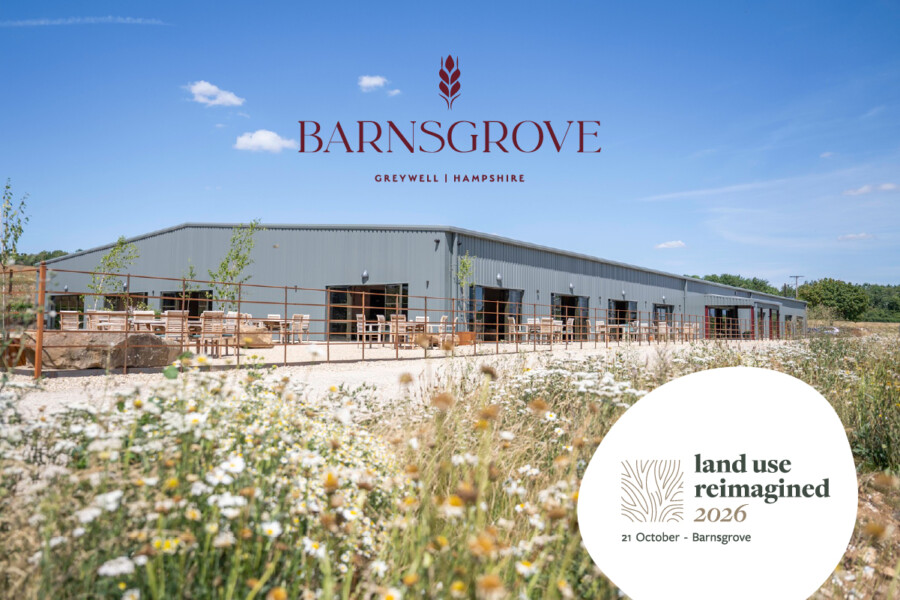

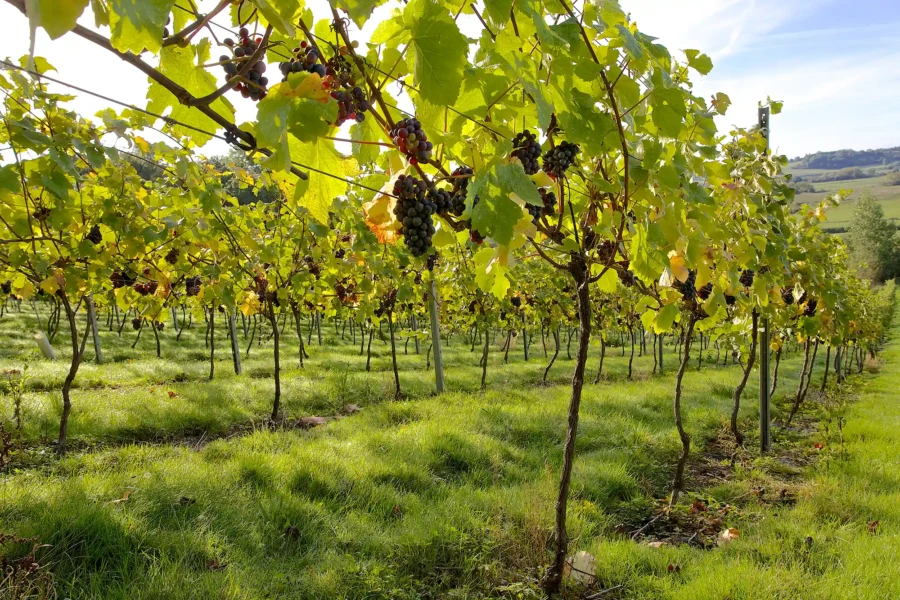
Rural diversification events to bring landowners, farmers and rural experts together
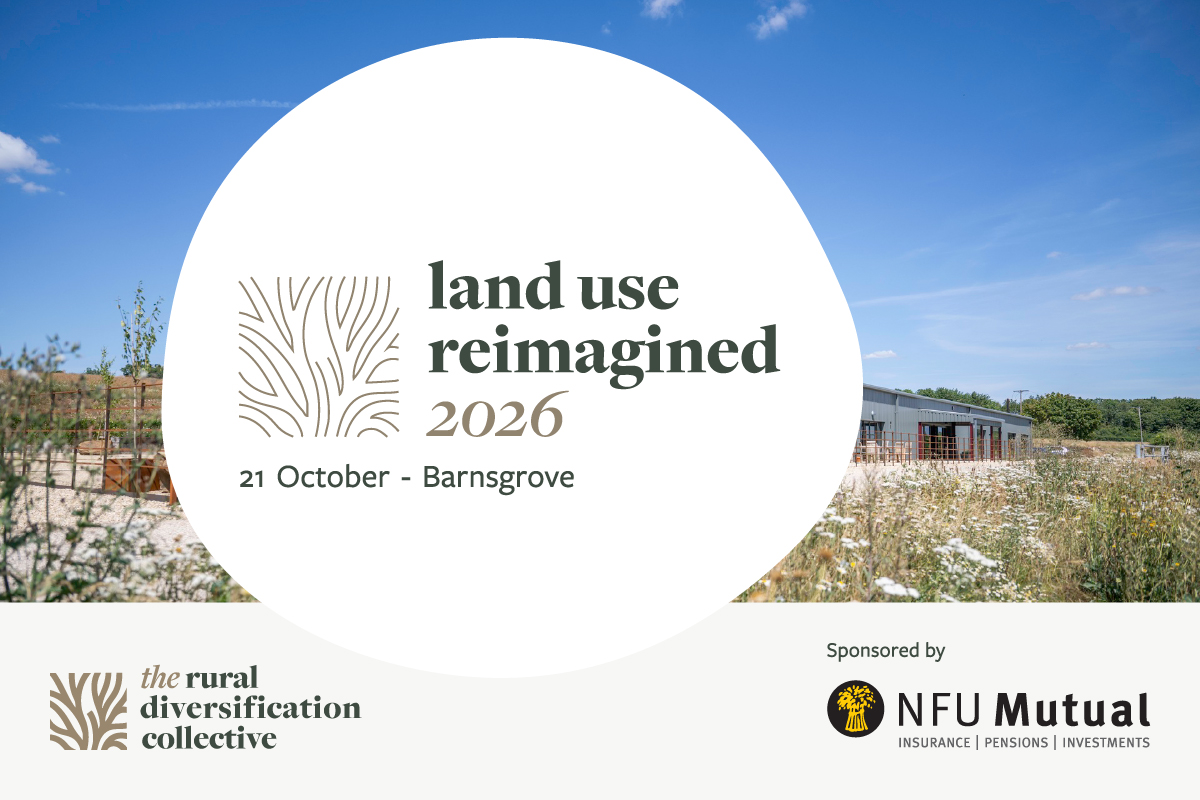
Land Use Reimagined 2026 - Rural Diversification
A focused day exploring heritage, hospitality and new uses for rural land, bringing together estate owners, planners, designers and rural specialists at a working example of successful diversification.
21 October 2026, 10:00 am
White Ln, Basingstoke RG29 1GF, UK
Search the Directory
Search the directory to find trusted consultants, advisers and specialists working with farms, estates and rural businesses across the UK. From planning and finance to design, tourism, hospitality, land use and beyond, every listing is focused on rural diversification and rural enterprise.
Are you a rural specialist? Register to be listed