What makes a converted space appealing to paying guests?
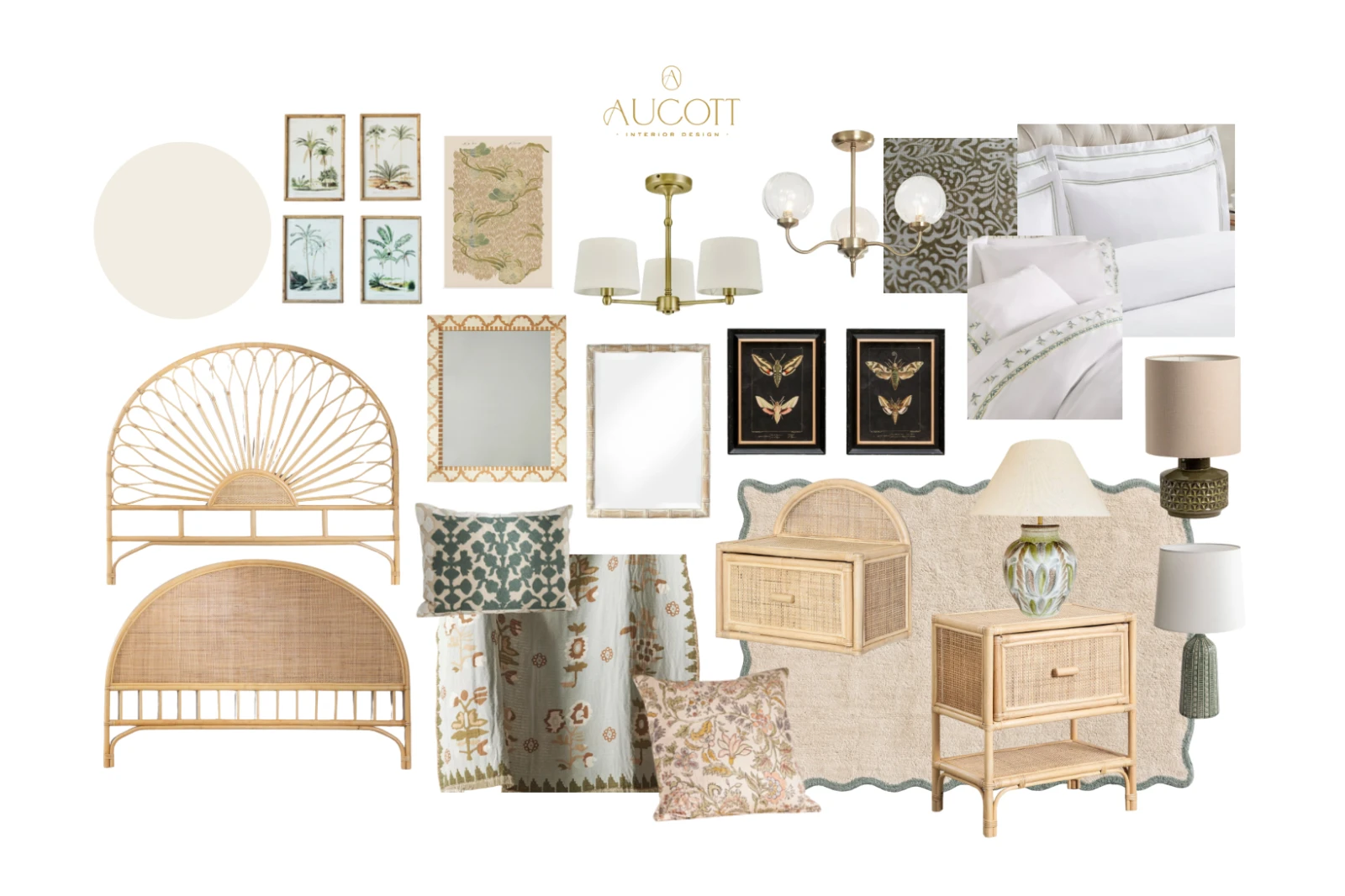
A converted space becomes appealing to paying guests when it feels both authentic and effortless to use. It is not just about how it looks, but how it works. Guests are drawn to places that offer something distinctive while still meeting modern expectations of comfort, quality, and coherence. Interior design plays a key role in shaping that experience, influencing everything from first impressions online to how a space feels during a stay or event. When design aligns with purpose and audience, it helps a property stand out, attract bookings, and build long term value.
Converting existing buildings into accommodation or venues is a key part of rural diversification, where design plays a direct role in attracting guests, increasing bookings and supporting long-term income.
Rural Diversification Insights from Aucott Interior Design Ltd
27 April 2026
At Aucott Interior Design, we often find that the spaces which perform best are not necessarily the most expensive or the most ambitious, but the ones that feel resolved. There is a quiet confidence to them. They know what they are, who they are for, and how they are meant to be used.
Appeal begins before a guest even arrives. Most decisions are made online, often within seconds. A converted space that photographs well has a clear advantage. This is not about styling for the sake of it, but about how light, proportion, and materiality come together to create a strong first impression. Spaces that feel balanced and considered in images tend to generate more interest and justify a higher level of enquiry.
Once a guest steps into the space, that initial expectation needs to be met and sustained. One of the defining characteristics of a successful conversion is how naturally it flows. Guests should not have to think too hard about how to use it. Movement from one area to another should feel intuitive. Whether it is a place to stay, celebrate, or retreat, the experience should unfold without friction.
Authenticity is another important factor. Many rural buildings carry a natural sense of history and character, and this is often what draws people in. However, authenticity does not mean leaving everything untouched or leaning heavily into a particular style. It is about recognising what makes the building special and allowing that to come through in a way that feels honest. When handled well, original features and contemporary elements can sit comfortably together, creating a space that feels both grounded and relevant.
Comfort plays a more significant role than many expect. Guests may be attracted by aesthetics, but they remember how a space made them feel. Temperature, acoustics, lighting, and the quality of furnishings all contribute to that experience. If something feels awkward or unresolved, it can quickly overshadow the visual appeal. On the other hand, when a space feels easy to inhabit, guests relax into it and are more likely to return or recommend it to others.
Consistency across the space is equally important. Each room should feel connected to the next, creating a sense of cohesion. This does not require everything to match, but there should be a clear thread running through the design. When spaces feel disjointed, it can create a subtle sense of unease. A coherent interior builds trust, even if guests are not consciously aware of it.
There is also a commercial dimension to consider. A space that feels distinctive is easier to position in the market. It gives landowners the opportunity to target a specific audience rather than trying to appeal to everyone. This clarity often leads to stronger bookings and better long term performance. Guests are not simply looking for somewhere to stay or gather. They are looking for an experience that feels considered and worth paying for.
Durability and longevity are often overlooked but are essential to maintaining appeal. Converted spaces are typically used more intensively than private homes. Materials and finishes need to withstand that level of use without quickly deteriorating. A space that looks tired after a short period can affect both perception and revenue. Thoughtful design considers how the space will age and ensures it continues to feel relevant over time.
One of the more subtle aspects of appeal is confidence. Spaces that have been carefully designed tend to feel assured. There is a sense that nothing is accidental. That confidence is picked up by guests, even if they cannot quite articulate it. It creates a level of trust that supports both decision making and overall satisfaction.
What we have seen through our work is that when these elements come together, the building itself begins to shift in how it is perceived. It moves from being a converted structure to becoming a destination in its own right. That shift is where real commercial value is created.
For landowners considering how to make the most of their existing buildings, it is worth recognising that appeal is not created through one single decision. It is the result of many small, considered choices that collectively shape how a space is experienced. Interior design brings those choices together in a way that supports both the building and the business behind it.

Written by Sonia Aucott
Founder, Aucott Interior Design Ltd
Discover more and get in touch with Aucott Interior Design Ltd
Could your expertise support landowners exploring rural diversification? Join the rural diversification supplier directory
Explore more insights from the Rural Diversification Collective
Nixon Heritage & Design
Can I convert a listed building for farm diversification?
Exdell Limited
How can I find out what my land could really be worth?
Jonny Bann Consultancy
How can I fill midweek gaps at my venue with corporate bookings?
Jonny Bann Consultancy
How can I make better use of my venue’s existing assets for the corporate market?
SPASE Architects & Surveyors
How energy retrofit can make a heritage building work as a rural business
Dudley Peverill Associates LLP