Wellness retreat diversification at Benham Park: how a historic Berkshire estate is finding a sustainable model
How a Georgian Palladian country house near Newbury is combining residential retreats, corporate stays and carefully managed events to support long-term viability
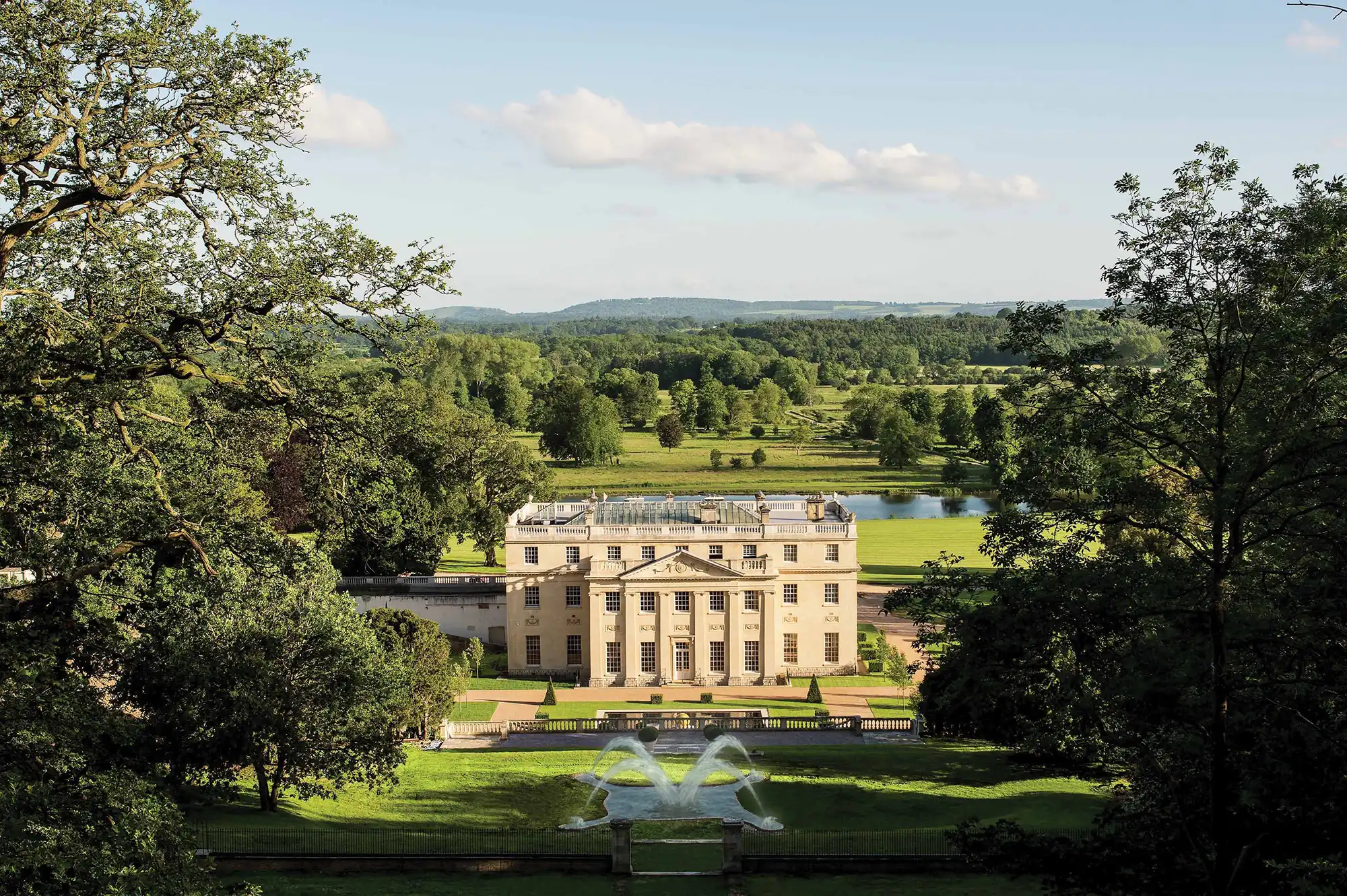
Benham Park in Berkshire illustrates how retreats, residential stays and carefully managed events can help historic estates generate sustainable income
The challenge facing many historic English country houses is not a lack of potential. It is a lack of clarity about what kind of business the property is actually suited to support. Get that wrong and the diversification project consumes capital without producing returns. Get it right and the estate’s history, scale and seclusion become the commercial proposition rather than the problem to solve.
Benham Park, a Georgian Palladian country house set within more than 100 acres of historic parkland near Newbury in Berkshire, is a case study in getting it right. Completed in 1775, the house sits within a landscape influenced by Lancelot Capability Brown, with the River Kennet running through the estate. After a period of careful restoration, it is reopening in 2026 with a model built around residential wellness retreats, extended private stays and a limited programme of corporate and private events.
It is a deliberate choice of direction, shaped as much by what the estate is not suited to as by what it is.
Historic estate diversification: understanding what the property can support
For many landowners, rural diversification has become essential rather than optional. The cost of maintaining listed buildings, historic parkland and estate infrastructure has continued to rise while traditional income streams have declined. The question is rarely whether to diversify, but how.
At Benham Park, the answer has been shaped by the estate’s own characteristics. The scale of the parkland, the distance from surrounding roads and the seclusion created by the landscape all point toward a lower-volume, higher-value model. High-footfall events, large-scale venue hire or year-round open access would all sit uneasily with a site of this sensitivity and designation.
The chosen model reflects that reality. Residential retreats and wellness programmes form the core activity, supported by extended private stays and a limited number of weddings, corporate retreats and private gatherings each year. This is not a compromise between commercial ambition and heritage constraint. It is a recognition that the estate’s most valuable commercial asset is precisely the quality that high-volume use would destroy: its sense of complete remove from the outside world.
Wellness retreat rural diversification: the commercial model
The programme at Benham Park is structured around complementary income streams that use the same asset in different ways across the year.
Residential wellness retreats and leadership programmes sit at the centre of the model. These are extended, immersive stays that make full use of the house and grounds, generating significant revenue per booking while keeping guest numbers manageable. The emphasis on privacy and wellbeing is not simply a marketing position. It is what the estate genuinely offers and what a corporate hotel or purpose-built retreat centre cannot replicate.
Corporate retreats and private gatherings occupy a second tier. By hosting a carefully controlled number of these each year, the estate generates reliable income without the operational intensity of a full events venue. When larger gatherings require additional capacity, temporary structures within the parkland provide flexibility without permanent development, protecting the historic setting while allowing the programme to scale when needed.
Extended private stays complete the model, offering exclusive-hire use of the house for families, groups and private celebrations. This mirrors an approach seen across a growing number of historic estate diversification projects, where exclusive use rather than nightly hotel-style occupancy produces both higher revenue and a more manageable operational footprint.
Country house diversification: restoration as commercial strategy
The interior restoration at Benham Park, led by Albion Nord in collaboration with conservation specialists, has been guided by a straightforward principle: make the house fully operational for residential use without erasing what makes it worth staying in.
Archival research informed finishes, colours and detailing throughout. Modern services have been integrated discreetly, giving the house the infrastructure to support overnight stays, group bookings and private events without compromising its architectural character. Reception rooms, bedrooms and service areas have been planned to function efficiently for both retreats and gatherings.
This approach to restoration reflects a broader lesson in historic house diversification. A building that has been over-modernised loses the very qualities that justify a premium price. A building that has been sympathetically restored, with original features retained and period detail respected, offers something that cannot be manufactured: a genuine sense of place and continuity that guests will pay to experience.
At Benham Park, the parkland reinforces that quality. The framework of the landscape, the ecological designations along the River Kennet, the maturity of the planting: these are not constraints on the commercial model. They are part of what makes the estate distinctive and, in a market increasingly saturated with purpose-built retreat venues, genuinely hard to replicate.
Manor house diversification: the case for lower frequency and higher value
One of the most practically useful aspects of the Benham Park model for landowners considering similar projects is its approach to frequency.
Many historic estate diversification projects start by maximising the number of events or bookings, reasoning that more activity equals more income. The experience of estates that have taken this path is often the reverse: high-volume use accelerates wear on listed buildings, increases staffing and operational complexity, and can erode the atmosphere that made the venue attractive in the first place.
The Benham Park model is built on the opposite logic. Fewer bookings, longer stays, higher value per visit. This produces a more sustainable income stream, a more manageable operation and a property that retains its appeal over time. For a Grade-listed building set within a sensitive landscape, it is also the approach most likely to remain commercially viable over the long term without triggering planning or conservation concerns.
To develop the commercial positioning, operational structure and market strategy, the owners worked with E+M+C. Finding specialist advisers with direct experience of historic estate diversification at the planning stage reduces the risk of committing capital to a model that the property cannot sustain. Details of advisers working in this field can be found in the Rural Diversification Directory.
What Benham Park offers the rural diversification sector
Projects like Benham Park matter to the rural diversification sector not just as individual case studies but as examples of a model that is applicable across a wide range of historic properties.
The combination of wellness retreats, extended residential stays and select events is not unique to Benham Park. It is becoming the default approach for historic country houses that are too sensitive for high-volume venue use, too large for purely private occupation and too significant to leave without a viable commercial future. Understanding how to structure that model, price it correctly and market it to the right audiences is increasingly the central challenge for landowners in this position.
Benham Park is early in that journey. The reopening in 2026 will test the model against real market conditions, and the programme will evolve accordingly. But the thinking behind it, the clarity about what the estate can support and the discipline not to chase every revenue stream regardless of fit, is already instructive.
For more examples of how rural landowners are building sustainable income from historic properties, explore the rural diversification case studies and country house diversification sections of this site. Landowners planning comparable schemes can connect with specialist consultants and advisers through the Rural Diversification Directory.
Written by Adam Gray
Joint Founder of The Rural Diversification Collective
Topics covered:
Country Houses / Heritage Reuse / Historic Estates / Luxury Hospitality
How farms, estates and rural businesses are diversifying
From working farms to landed estates and rural businesses, these features explore how landowners across the UK are diversifying through glamping, events, vineyards, holiday lets, wellness retreats and more. Each one shares the thinking, decisions and experience behind a real project.
Rural Diversification Collective
A tourist tax with no cap, no coordination, and no idea who it will hurt
Rural Diversification Collective / The Glamping Show
Rural diversification takes centre stage as The Glamping Show partners with the Collective

Rural diversification events to bring landowners, farmers and rural experts together
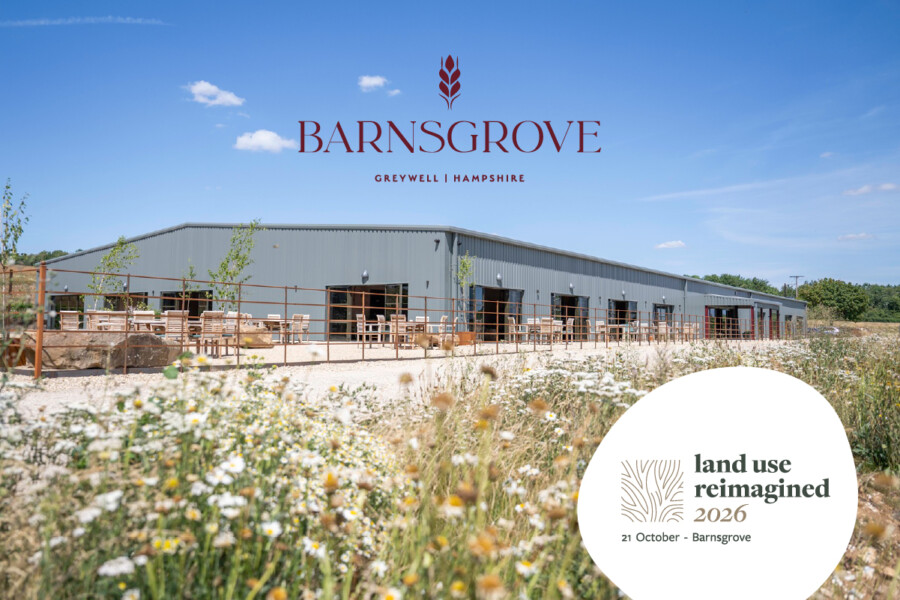
Land Use Reimagined 2026 - Rural Diversification
A focused day exploring heritage, hospitality and new uses for rural land, bringing together estate owners, planners, designers and rural specialists at a working example of successful diversification.
21 October 2026, 10:00 am
White Ln, Basingstoke RG29 1GF, UK
Search the Directory
Search the directory to find trusted consultants, advisers and specialists working with farms, estates and rural businesses across the UK. From planning and finance to design, tourism, hospitality, land use and beyond, every listing is focused on rural diversification and rural enterprise.
Are you a rural specialist? Register to be listed