How energy retrofit can make a heritage building work as a rural business
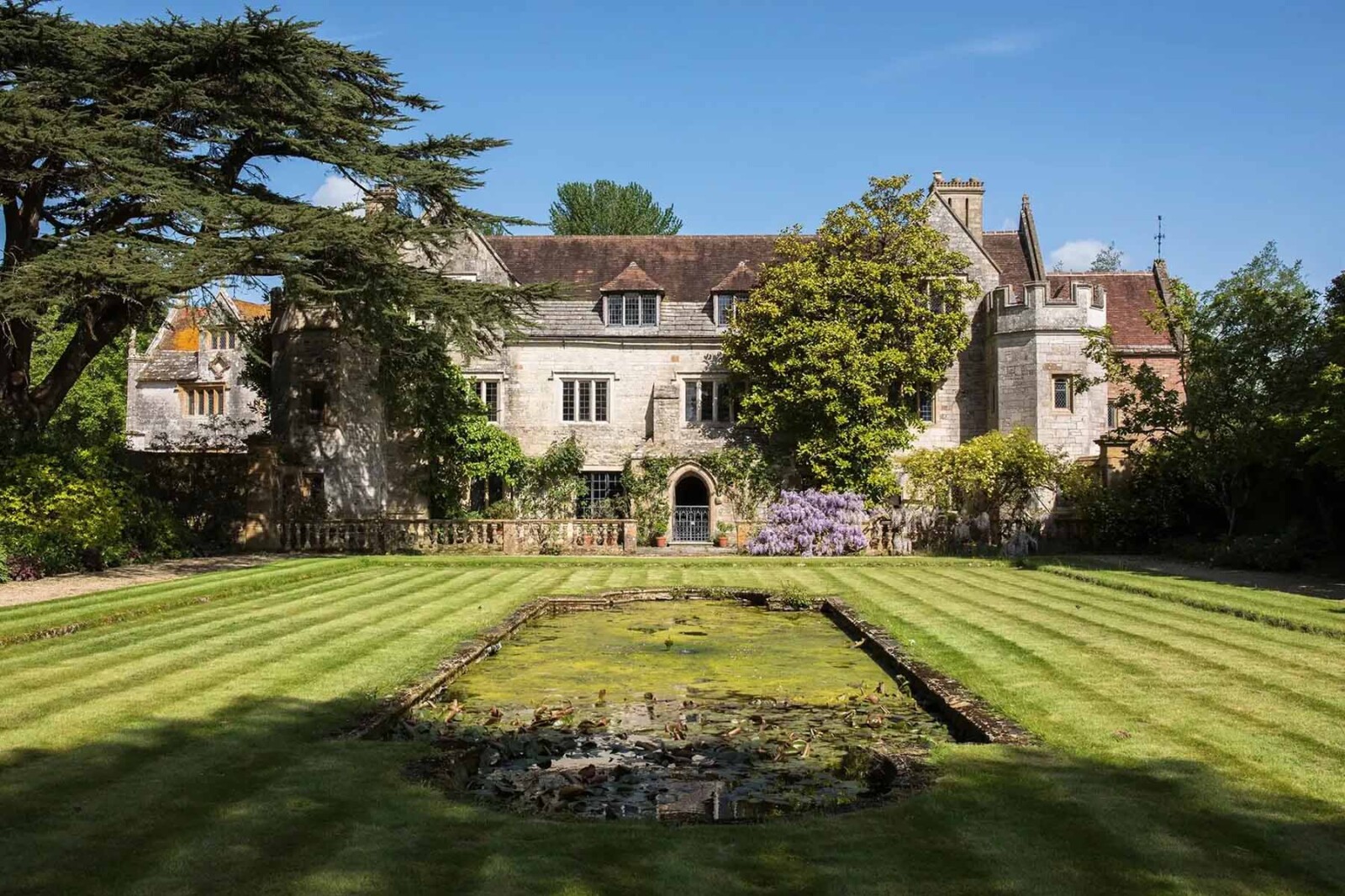
Solid walled, historic buildings are expensive to heat. For a lot of rural businesses, that is the thing that actually decides whether a visitor attraction, wedding venue or holiday let can trade year round, or has to scale back through the winter.

Rural Diversification Insights from SPASE Architects & Surveyors
16 August 2026
SPASE is a Dorset based practice of architects and building surveyors specialising in the retrofit and conservation of heritage buildings. Athelhampton House, a Grade I listed Tudor manor and visitor attraction near Dorchester, is a good example of why this matters commercially, not just environmentally.
Before we began work, the house relied on LPG boilers, heating oil and a diesel generator. Energy costs fell from a comparable £100,000 to £0 following the retrofit, and the difference meant the house could open year round rather than manage its season around fuel bills. For our client, this was not an environmental project on top of the business. It was what allowed the business to work properly.
The work combined a 130kW solar array, twelve battery units, and a mix of ground and air source heat pumps, sized to the building’s actual heat demand rather than a standard specification. We took a fabric-first approach throughout, reducing heat loss through the historic fabric before specifying any renewable technology, so everything installed afterwards was necessary and correctly sized. Solar was ground-mounted away from the main elevations, and we worked closely with Historic England to protect features including the hammer-beam roof, carved stonework and stained glass.
We see this pattern often. A visitor attraction, wedding venue or holiday let can have planning consent and a good marketing plan and still struggle, because the running costs do not leave enough room. Energy retrofit is rarely thought of as part of a diversification strategy, but in a heritage building it is often the thing that decides how much income reaches the bottom line.
It also affects planning. Heat pumps, solar and biomass systems in listed buildings usually need listed building consent alongside standard approvals. Across our projects, the same approach tends to get through consent with the least difficulty: equipment sited to minimise visual impact, minimal disturbance to historic fabric, and clear evidence that demand has already been reduced before new technology goes in.
There is a financial side too. With delinked payments being phased out by 2027, more landowners are looking at diversification and natural capital schemes to build resilience, and the running costs of the buildings behind those plans matter more than they used to. A retrofit that removes a £50,000 annual cost is, in effect, its own source of capital, since the money that was going on heating oil can be put towards the wider plan instead.
No two historic buildings behave the same way. Solid stone construction, protected features, and things like retained radiators that rule out low-temperature heat pump operation all mean the solution has to be worked out from scratch each time. This is what we do, bringing building science and heritage expertise together rather than treating them separately. If you are looking at whether an existing heritage business could run more profitably without its energy costs holding it back, we would welcome the conversation.

Written by Stefan Pitman
Chartered Building Surveyor, Managing Director, SPASE Architects & Surveyors
Discover more and get in touch with SPASE Architects & Surveyors
Could your expertise support landowners exploring rural diversification? Join the rural diversification supplier directory
Explore more insights from the Rural Diversification Collective
Exdell Limited
How can I find out what my land could really be worth?
Jonny Bann Consultancy
How can I fill midweek gaps at my venue with corporate bookings?
Jonny Bann Consultancy
How can I make better use of my venue’s existing assets for the corporate market?
Dudley Peverill Associates LLP
Can I use permitted development as a fallback if my planning application gets refused?

Smart Wave Business Support