How to avoid noise complaints when establishing a wedding or rural event venue
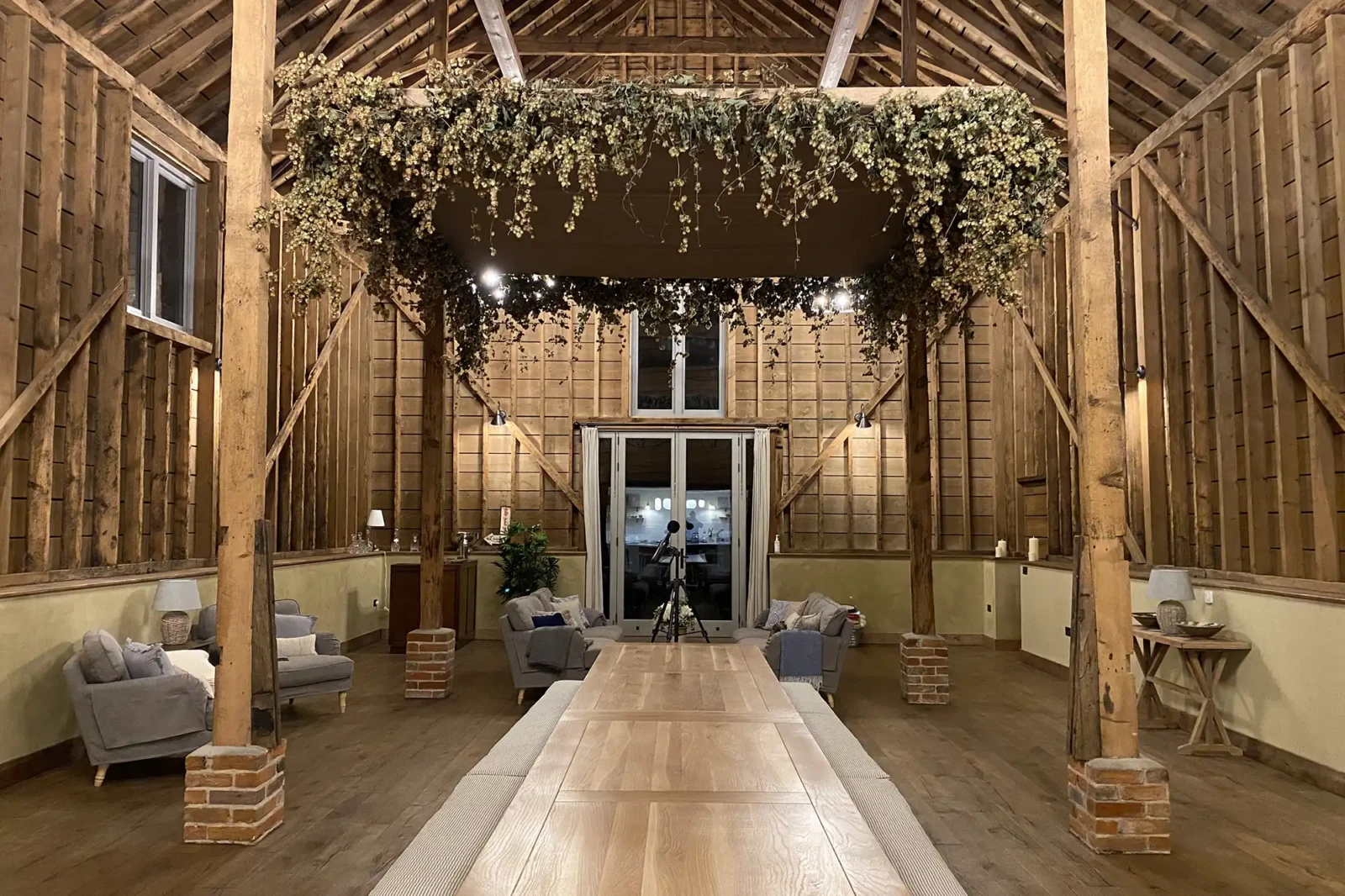
Noise complaints usually happen when sound travels further than expected, particularly low frequency bass. Many wedding and rural event venues respond by turning music down or ending events earlier, which reduces income and limits what they can offer. A more effective approach is to control how sound behaves. Directional systems such as Zone Array focus sound only where it is needed, keeping energy on the dancefloor while reducing spill elsewhere. That allows venues to maintain atmosphere, stay within licence conditions and protect relationships with neighbours, without compromising the guest experience.

Rural Diversification Insights from Direct Acoustic Solutions
21 May 2026
Establishing a wedding or rural event venue offers genuine income diversification for landowners. Events attract bookings that justify investment, but noise management is often overlooked until a complaint arrives. A single complaint from a neighbour or intervention from Environmental Health can force you to reduce volume, finish events earlier or limit event frequency. Over time, this affects booking levels, reduces revenue and creates ongoing stress around managing neighbours and local authorities. Confidence in running events can drop, even when demand remains strong.
The risk is sharpest in rural locations. Background noise levels are naturally low in countryside settings, which means sound travels further than in built-up areas. Marquees, barns and tipis do not contain sound by design. Many landowners discover they have a noise problem only when Environmental Health tightens licence conditions or a neighbour files a formal complaint. By then, the damage to your venue’s reputation and booking schedule is already done
Before establishing a venue, understand the planning landscape. Under Permitted Development Rights, you can host up to 28 days of events per year on agricultural land without planning permission, provided the land returns to natural state afterwards. For permanent or more frequent operations, planning permission is required. When local authorities assess event venue applications, noise is a consistent concern. Environmental Health officers assess noise management plans carefully, particularly in rural settings where complaints are more likely to succeed due to low background noise.
This means noise control must be built into your proposal from the start, not as an afterthought. A credible noise management strategy strengthens your planning application, demonstrates professionalism to neighbours and protects your operating licence. Environmental Health wants to see that you have thought seriously about the issue before opening.
Traditional approaches to managing noise tend to be reactive. Many venue operators respond by turning music down, relying on DJs to manage levels or installing external limiters. These solutions may reduce immediate risk, but they do not address the root of the problem. Sound, particularly bass, continues to travel unpredictably and often beyond the boundaries of the venue. Limiting volume removes atmosphere. Installing limiters removes control from DJs running events and creates tension on event nights. Finishing earlier disappoints guests and shortens your revenue window. You are left managing your venue around constraints rather than operating from a position of control.
The real issue is how sound is delivered in the first place. Conventional PA systems disperse audio in all directions. In a countryside setting, this means energy escapes into neighbouring properties regardless of how carefully you manage internal volume levels.
A more effective approach is to change how sound behaves. Directional speaker systems such as Zone Array focus audio precisely where it is needed rather than dispersing it in all directions. In most cases, that is the dancefloor. Outside of that area, sound levels drop quickly, especially low frequencies which are typically the cause of complaints.
The system is installed as a modular grid of ceiling-mounted panels, each containing multiple small speakers. Working together, they create a single controlled audio source that projects sound downwards. Through careful phase alignment, bass energy is reinforced beneath the array while being reduced in surrounding areas. The result is a clear distinction between high-energy zones and quieter spaces within the same environment.
From a commercial perspective, this has a direct impact. Wedding and rural event venues are able to deliver full, immersive sound on the dancefloor without increasing the risk of disturbance to neighbours. Guests experience the level of atmosphere they expect, while nearby areas remain comfortable for conversation. Importantly, the amount of sound escaping the building or temporary structure is significantly reduced. This is particularly relevant for marquees, barns and tipis, which often present challenges as they are not designed with sound containment in mind.
Operationally, directional sound systems also simplify management. DJs and bands can connect easily using standard inputs, and volume can be controlled consistently without relying on external limiters cutting performance. This removes a common source of tension during events and ensures that sound levels remain within agreed licence conditions. You maintain stable relationships with local authorities and neighbours.
Over the years, venues have moved from a position of restriction to one of confidence. In some cases, sites that previously received complaints have been able to run regular events without further issues. The ability to demonstrate control over sound supports discussions with Environmental Health and provides reassurance to neighbours.
For landowners and venue operators establishing a wedding or rural event venue, the key point is that noise should be treated as part of the infrastructure of the business, not as an afterthought. It is not just about equipment, but about how the space performs under real conditions. Addressing sound properly can protect revenue, improve the guest experience and reduce long-term risk.
A venue that gets noise control right from the beginning positions itself to grow confidently without the stress and expense of complaints, investigations and licence restrictions. The difference between a successful rural event venue and one constrained by noise management is often the decision made early: whether to address sound reactively when problems arrive, or to design control into operations from the outset.


Written by Adam Allfrey
Founder, Direct Acoustic Solutions
Discover more and get in touch with Direct Acoustic Solutions
Could your expertise support landowners exploring rural diversification? Join the rural diversification supplier directory
Explore more insights from the Rural Diversification Collective

Nixon Heritage & Design
Can I convert a listed building for farm diversification?
Exdell Limited
How can I find out what my land could really be worth?
Jonny Bann Consultancy
How can I fill midweek gaps at my venue with corporate bookings?
Jonny Bann Consultancy
How can I make better use of my venue’s existing assets for the corporate market?
SPASE Architects & Surveyors
How energy retrofit can make a heritage building work as a rural business

Dudley Peverill Associates LLP