A tourist tax with no cap, no coordination, and no idea who it will hurt
An uncapped, uncoordinated tax threatens farm diversification businesses. We don't tend to take political positions in our feature articles. Our aim has always been to champion the people building something out of their land. But an uncapped tax with the potential to unpick years of diversification work is not something we can stay quiet on. This is a policy risk to the businesses we exist to support, and it deserves scrutiny.
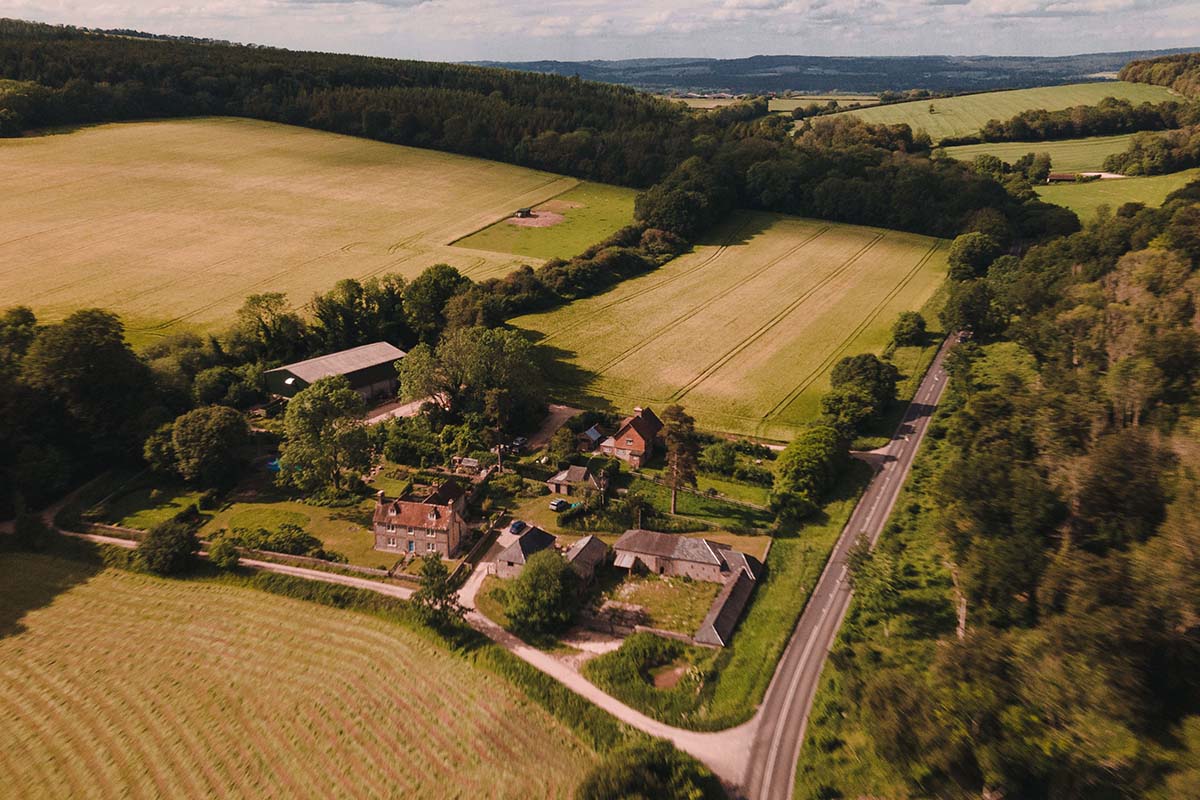
England's invisible tax border: how mayoral boundaries are about to reshape rural tourism
Book a week in an English holiday cottage next year, if the Government doesn’t u-turn, and there is a decent chance you will pay more than you would have paid for the identical stay a few miles up the road. Not because the owner has done anything different, but because of which side of an invisible administrative line their five acres happen to sit on. This is what happens when you hand a tax-raising power to fourteen different mayors and let them make fourteen different decisions with no obligation to talk to one another first.
This is the overnight visitor levy rural England is about to discover. Badly and ill thought through for businesses built on glamping pods, holiday lets and shepherd’s huts.
An overnight visitor levy with no national cap
The 5 per cent figure being thrown around is not law. It is a gentleman’s agreement between Labour mayors that will last exactly as long as it’s convenient. Andy Burnham, who built his political case for this tax while running Manchester, is now wanting to roll this out across the whole country, believing local authorities can be trusted to exercise restraint with an uncapped revenue stream. How can we trust councils to do so? The tourist tax will be paid by people from outside of the council’s electorate. Tourists will not be able to vote for an alternative, but what they will be able to do is vote with their feet, harming not only the venues themselves but the wider local retail and hospitality sectors.
Another policy overlooking the impact on agritourism and food production
62 per cent of farms in England have already diversified, and for a meaningful chunk of those in tourism, roughly a quarter, that sideline is propping up at least half of the farm’s total income. For one in eight, it’s propping up more than all of it. These are not lifestyle businesses padding out a healthy agricultural operation. In a lot of cases, the glamping pods and the converted barn are the only reason the sheep still pay for themselves.
This is another government policy with little thought or understanding of the rural sector. Agritourism is not separate from food production, it is often what keeps it afloat. When a diversified income stream is squeezed by an uncapped tax, the risk is not just to a holiday cottage business. It is to the working farm behind it, and to the food it produces.
Why mayoral boundaries create unfair competition for rural tourism
If you are choosing between a farm stay in the Yorkshire Dales and one in the Lincolnshire Wolds, you may well see lots of shared similarities, but with this policy the latter will gain a major differentiator. One will have at least a 5 per cent uplift. Which one will you choose?
When York and North Yorkshire’s mayor presses ahead with a levy and Greater Lincolnshire’s and Hull and East Yorkshire’s mayors both refuse, you have not created a fair tax. You have created a coupon for the untaxed farm down the road, funded entirely out of the taxed one’s marketing budget. Even the mayor keenest on the idea seems to sense the problem: his own commissioned report had to carve out exemptions for campsites and the cheapest stays, a polite way of admitting the policy hits hardest exactly where it can be least afforded.
What the Edinburgh visitor levy tells us so far
Supporters point to Edinburgh as proof this can be done without anyone getting hurt. Edinburgh’s levy went live in late July. The first returns from accommodation providers aren’t due until October. What we have, in other words, is two months of operational grumbling about booking systems and nothing resembling evidence, which has not stopped it being cited, repeatedly, as though it were a finished experiment rather than one that has barely begun.
What rural England is actually being asked to accept is a tax with no statutory cap, no coordination between neighbouring authorities, no completed evidence from the one live pilot anyone can point to, and a structure that happens to fall hardest on the smallest, thinnest-margin, most geographically exposed operators in the entire hospitality sector.
The politicians pushing this know precisely why it is attractive to them: the bill lands on visitors who don’t live in the area, don’t vote in its elections, and mostly won’t ever work out that the price varies by postcode for reasons that have nothing to do with the room they’re renting. That is a comfortable position for a mayor to be in. It is a considerably less comfortable one for the farmer two fields over from the boundary, watching bookings drift toward the neighbour who happened to draw a friendlier line on the devolution map.
What rural landowners should do now
This levy, if proceeded with, adds a new variable to any farm diversification project. What matters now is going in with a full picture of the implications. Search the Rural Diversification Directory to connect with rural planning, finance and hospitality specialists who can help guide you.

Written by Adam Gray
Joint Founder of The Rural Diversification Collective
Topics covered:
How farms, estates and rural businesses are diversifying
From working farms to landed estates and rural businesses, these features explore how landowners across the UK are diversifying through glamping, events, vineyards, holiday lets, wellness retreats and more. Each one shares the thinking, decisions and experience behind a real project.
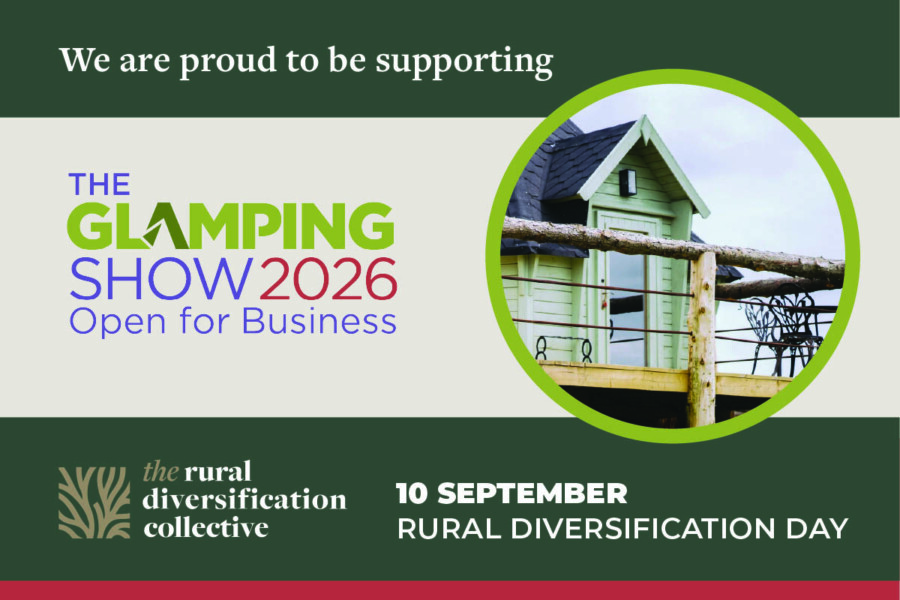
Rural Diversification Collective / The Glamping Show
Rural diversification takes centre stage as The Glamping Show partners with the Collective
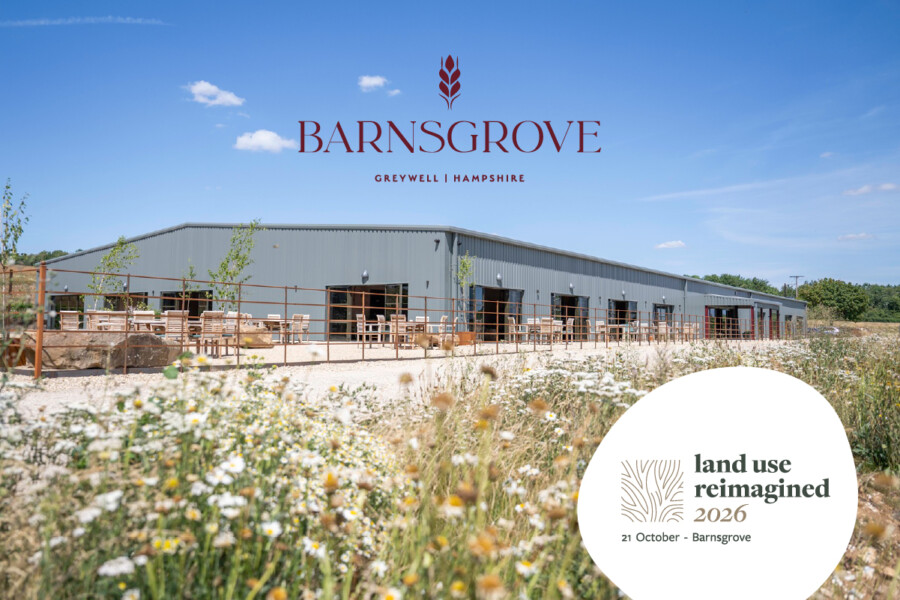

Rural diversification events to bring landowners, farmers and rural experts together
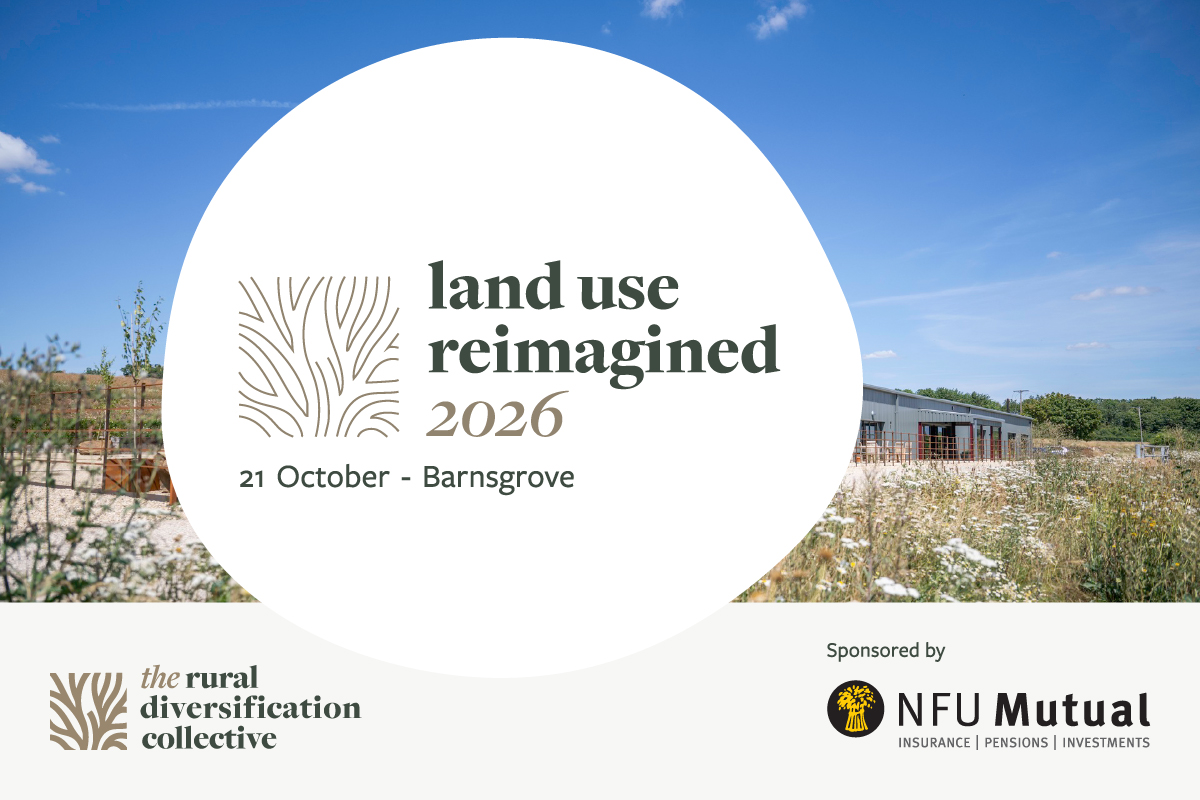
Land Use Reimagined 2026 - Rural Diversification
A focused day exploring heritage, hospitality and new uses for rural land, bringing together estate owners, planners, designers and rural specialists at a working example of successful diversification.
21 October 2026, 10:00 am
White Ln, Basingstoke RG29 1GF, UK
Search the Directory
Search the directory to find trusted consultants, advisers and specialists working with farms, estates and rural businesses across the UK. From planning and finance to design, tourism, hospitality, land use and beyond, every listing is focused on rural diversification and rural enterprise.
Are you a rural specialist? Register to be listed