Can I convert a listed building for farm diversification?
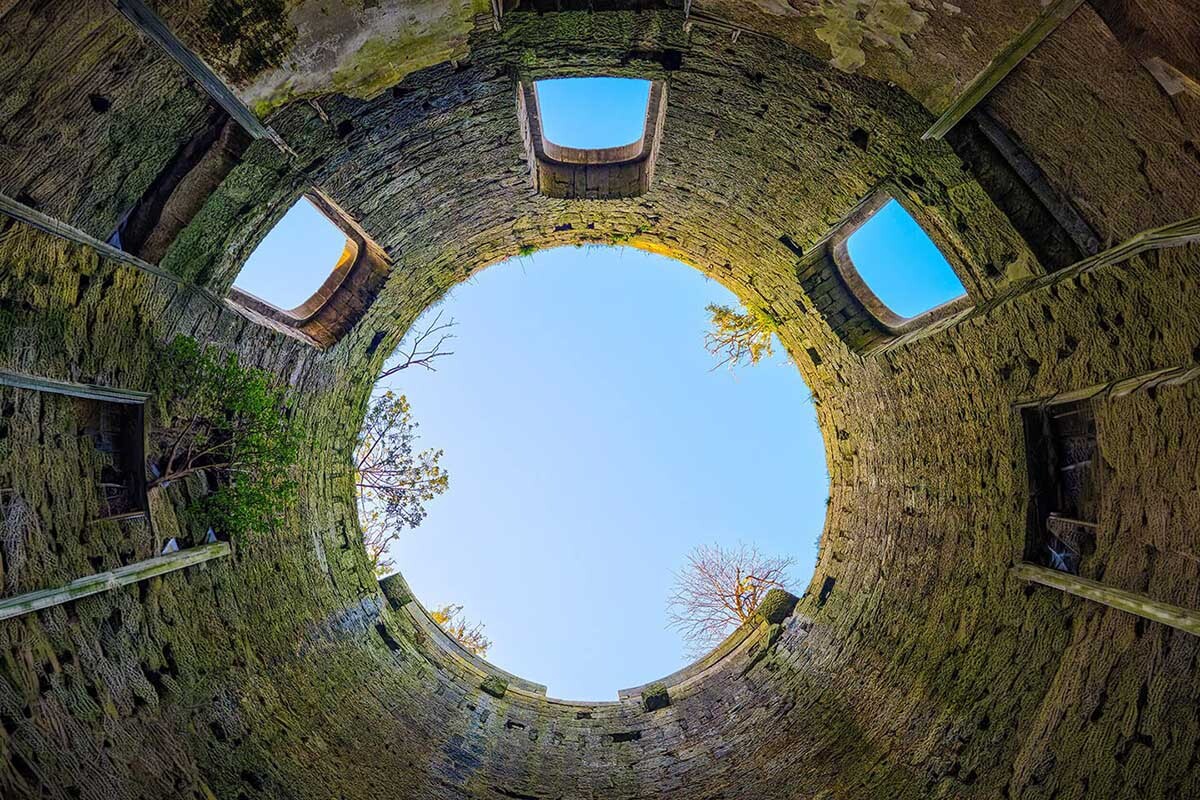
In most cases yes, but the route you take depends entirely on the building's listing grade, its setting, and what's proposed. Getting a heritage consultant involved before you commit to a design, rather than after, is what determines whether your farm diversification scheme is straightforward or ends in refusal, delay and unbudgeted cost.

Rural Diversification Insights from Nixon Heritage & Design
5 October 2026
Farms, estates and vineyards increasingly see their historic buildings not as a constraint but as the opportunity. A uniquely characterful barn, dovecote or stable block can become the centrepiece of a farm diversification scheme, from glamping and weddings to farm shops and agritourism. The building doesn’t need to be a headache. But it does need to be understood before anyone reaches for a floor plan.
Heritage input at the design stage doesn’t just avoid problems. It can become the reason guests choose your venue over any other.
Where farm diversification schemes go wrong
The mistakes that derail a diversification scheme are rarely about the ambition. They’re about timing. A building’s listing grade, the presence of below-ground archaeology, historic parkland or gardens, or a nearby Scheduled Monument all shape what’s actually possible, and each carries its own process. Below-ground archaeology discovered mid-build can trigger a watching brief or evaluation trenching and stop work on site entirely. Land near a Scheduled Monument may fall under tighter controls than the farm buildings themselves. None of this is visible from a set of drawings; it has to be established first.
Miss it, and a diversification scheme can take an entirely wrong direction: a design that looks straightforward on paper turns out to need consents nobody applied for, costs and delays stack up, and in some cases the result is a flat refusal at planning committee, back to square one, with the design fees already spent.
When listed building work goes ahead without consent
The most expensive version of this mistake happens after work has started. Unauthorised alteration to a listed building can trigger enforcement action under the Planning (Listed Buildings and Conservation Areas) Act 1990, potentially requiring reversal of the work already done, a retrospective listed building consent application with no guarantee of success, or prosecution in the most serious cases. It’s intrusive, slow, and considerably more expensive than getting advice would have been.
What a heritage consultant does for a diversification scheme
Bringing a heritage consultant in early gives a scheme an early warning system rather than a rescue mission. That means impartial advice on the real scope for reuse, extension or alteration of a historic building, and often pointing towards approaches the client hadn’t considered: eco-tourism or agritourism uses that sit comfortably within a heritage setting rather than fighting against it.
It also means anticipating what a Local Planning Authority is likely to object to, and building the case before they raise it, in the language of conservation, with the justification or mitigation a case officer needs to see to support the scheme rather than resist it.
Handled well, this isn’t about minimising harm to an asset. It’s about using it: heritage input at the design stage can become the project’s selling point, the thing that makes the finished scheme more distinctive to guests and more valuable, commercially and aesthetically, than a version that treated the building as an obstacle.
“But we already have an architect”
Architects are well versed in working with space, but they design more effectively with clear, informed parameters from the outset, not constraints discovered halfway through a scheme. A heritage consultant provides that framework early: what must be kept, what can realistically change, and how to reconcile the sensitive character of a historic building with modern-day operational needs, in a way that a Local Planning Authority is more likely to support. Brought in after the architect has already fixed a scheme’s key moves, a consultant can only work around decisions that a slightly earlier conversation might have shaped from the start.
Weighing the cost against the risk
The fee for a heritage consultant is set against the cost of what it prevents: a refused application, a scheme redesign, a stalled build, or an enforcement case. Set against those outcomes, early advice is generally the cheaper option for a farm diversification project, and it tends to produce a higher-quality scheme, a smoother path through planning, and fewer redesigns along the way.
If you’re considering a diversification scheme involving a listed building, historic setting or heritage asset, get in touch to discuss how early heritage advice could shape your project.
Written by Jen Nixon
Independent Specialist in Heritage Assets, Nixon Heritage & Design
Discover more and get in touch with Nixon Heritage & Design
Could your expertise support landowners exploring rural diversification? Join the rural diversification supplier directory
Explore more insights from the Rural Diversification Collective
Exdell Limited
How can I find out what my land could really be worth?
Jonny Bann Consultancy
How can I fill midweek gaps at my venue with corporate bookings?
Jonny Bann Consultancy
How can I make better use of my venue’s existing assets for the corporate market?
SPASE Architects & Surveyors
How energy retrofit can make a heritage building work as a rural business
Dudley Peverill Associates LLP